UK Gambling Commission Ushers in Tiered Stake Limits for Online Slots with 2026 Reforms
Written by Yara Neumann · Mar 11, 2026

UK Gambling Commission Ushers in Tiered Stake Limits for Online Slots with 2026 Reforms
The New Stake Caps Take Shape
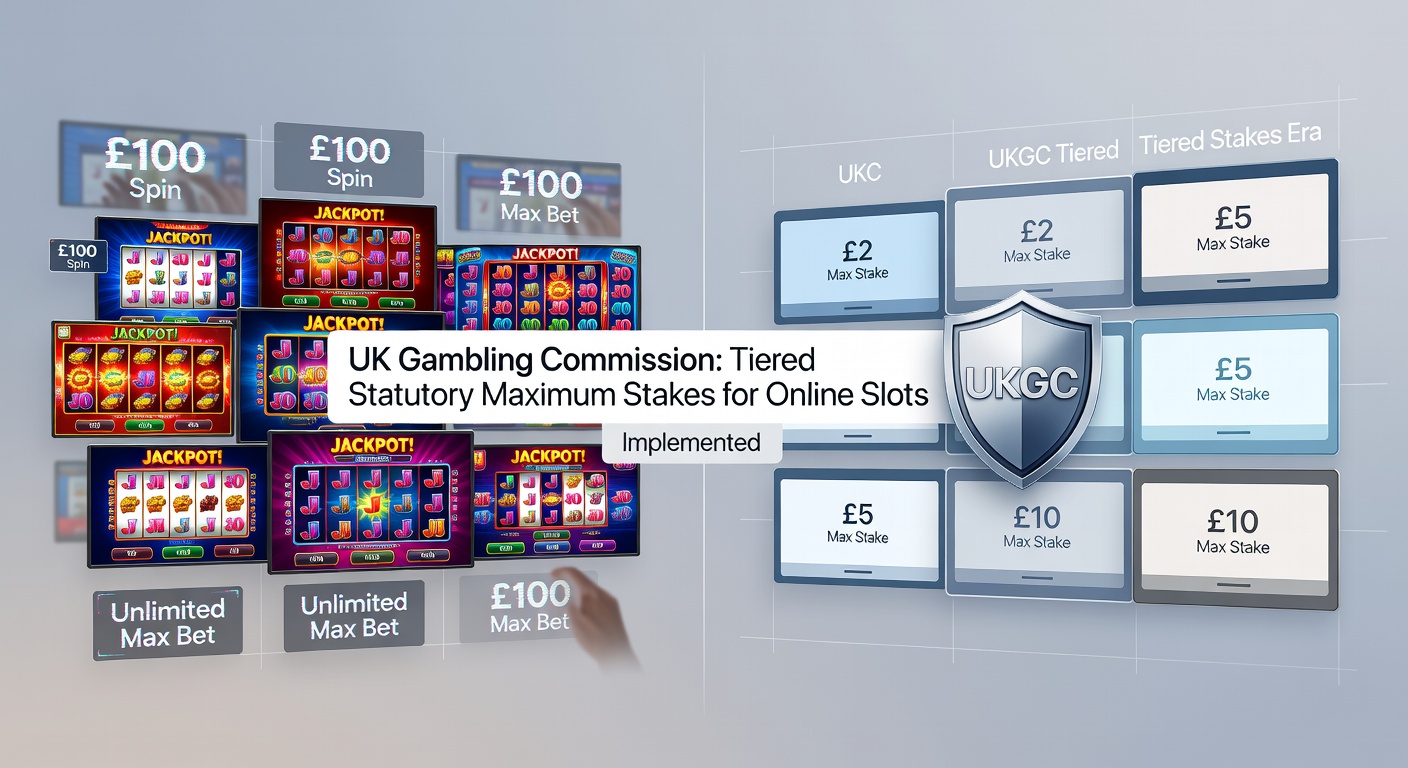
Observers note how the UK Gambling Commission (UKGC) has rolled out tiered statutory maximum stakes for online slots, setting a £2 per spin limit for players aged 18-24 while allowing £5 per spin for those 25 and older; this move, designed to shield younger and vulnerable participants, kicks in early 2026, and operators must display these limits prominently within games so no one misses the boundaries.
What's interesting is that age verification ties directly into these caps, meaning platforms verify user ages before granting access to higher stakes, a system that builds on existing checks but adds real-time enforcement; data from industry reports shows this targets the demographic where problem gambling rates run higher, with under-25s facing elevated risks according to prior studies.
And while the limits sound straightforward, operators face the task of integrating them seamlessly—think dynamic spin buttons that adjust based on verified age, preventing any overruns right from the start.
Ban on Mixed Bonuses Cuts Cross-Selling Risks
But here's the thing: alongside stake limits, the UKGC clamps down on mixed-product bonuses, those promotions that bundle slots free spins with requirements for sports bets or casino wagers, effectively banning them to stop operators from nudging players toward higher-risk activities; full enforcement lands in 2026, giving the industry time to rework loyalty schemes and welcome offers.
Experts who've pored over consultation responses point out how stakeholders raised alarms about these bundles luring slots fans into unfamiliar territories like sports betting, where losses can escalate quickly; now, bonuses stick to their own category, so slots promotions stay pure slots affairs, and sports bets don't get tangled up.
Take one operator's overhaul: teams scramble to separate reward pots, ensuring a free spins deal demands nothing beyond slot play, a shift that simplifies things for players while dialing back the temptation to branch out.
Remote Gaming Duty Jumps to 40 Percent
That said, financial pressures mount too, as the Remote Gaming Duty hikes to 40% on online slots and casino revenue starting April 1, 2026; figures from HighStakesDB reveal this targets gross gambling yield from remote slots and table games, sparing other verticals like betting exchanges for now.
Operators who crunch the numbers find margins squeezed, prompting predictions of adjusted payout structures or fewer high-volatility titles, although research indicates the levy aims to balance consumer protection funding with industry sustainability; it's not rocket science—higher taxes mean less take-home for firms, but the government's rationale ties back to bolstering regulatory oversight.
Now, with March 2026 looming as a prep milestone, licensees gear up for compliance audits, testing systems that track age-tiered play and bonus purity long before the deadlines hit.
Timeline Rolls Out Step by Step
So the rollout unfolds gradually: stake limits and in-game displays activate first in early 2026, likely January or February based on regulatory patterns, while the bonus ban and duty increase follow precisely—April 1 for taxes, full bonus enforcement by year's end; this phased approach lets operators iterate, with UKGC mandating progress reports along the way.
People in the know highlight how March 2026 serves as a key checkpoint, where partial implementations face scrutiny, ensuring tech glitches don't derail the launch; one case from past reforms saw platforms beta-test age gates months ahead, a playbook likely repeating here to iron out kinks.
- Early 2026: Tiered stakes (£2/£5) go live, displays mandatory.
- March 2026: Interim compliance checks ramp up.
- April 1, 2026: 40% Remote Gaming Duty applies to slots/casinos.
- Throughout 2026: Mixed bonuses phased out completely.
Yet flexibility exists for low-stake games under £2, which bypass age tiers entirely, a nod to casual play that keeps broad access intact.
Roots in Consultation and Data
Turns out this package stems from extensive feedback, where UKGC consultations gathered input from players, operators, and charities; responses underscored the need for youth-focused limits, with data showing 18-24-year-olds comprise a chunky slice of slots activity yet report higher harm rates.
Researchers who've analyzed session data note average spins hovering around £2-£3 anyway for many, so the caps disrupt less than feared, although high-rollers over 25 adapt to the £5 ceiling; it's noteworthy that vulnerability checks, like mandatory frictionless play pauses, layer on top, creating a multi-pronged shield.
And for those tracking operator adaptations, early movers recode RNGs to enforce limits server-side, dodging client-side exploits that savvy users might attempt.
Operators Adapt Amid the Shifts
What's significant is teh scramble in boardrooms: firms like Entain and Flutter, big in UK slots, disclose plans to migrate players to compliant titles, preserving engagement through lower-volatility games that fit the new caps; evidence from pilot programs suggests retention holds steady when promotions align with rules.
But smaller outfits face steeper climbs, investing in verification tech that scans IDs in real-time, a cost offset somewhat by the duty's targeted scope excluding horseracing levies; observers who've followed similar EU tweaks, like Germany's €1 cap, see parallels where initial dips in gross yield rebounded via volume growth.
Here's where it gets interesting—player migration tools prompt verified users to confirm ages, unlocking appropriate stakes, while unverified accounts default to the strictest £2 limit, nudging compliance without outright blocks.
Conclusion
In wrapping up, the UKGC's 2026 reforms—tiered stakes at £2 for young adults and £5 for others, bonus segregation, and a 40% duty spike—reshape online slots from the ground up, with early-year activations paving the way; platforms that embrace transparent displays and clean promotions stand best positioned, as data underscores these steps' role in curbing risks for the vulnerable.
Those monitoring the space expect teething issues in Q1 2026, yet the structured timeline, informed by robust consultations, signals a maturing market where protection and play coexist more harmoniously; ultimately, the changes etch clearer lines, ensuring slots remain fun without the pitfalls that snag too many.