Tracing Reward Pathways: How Initial Incentives Propel Extended Engagements in Smartphone-Based Reel Games
Written by Theo Griffin · Jun 26, 2026
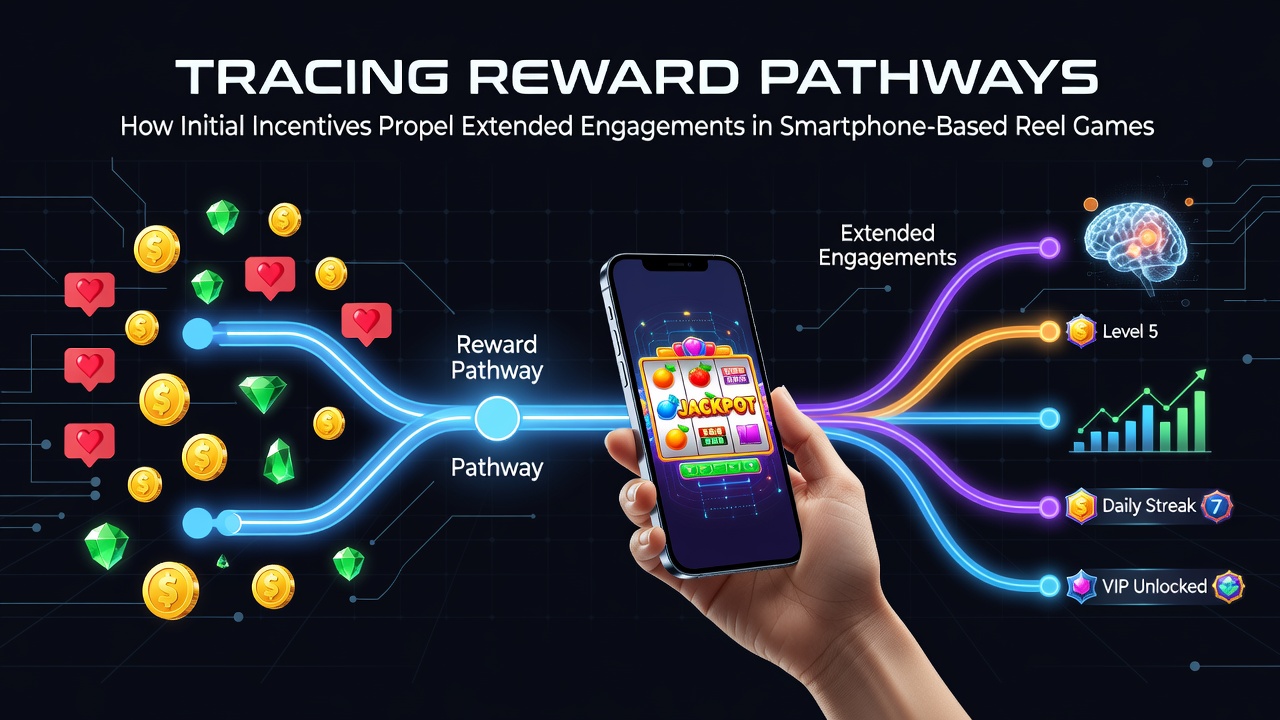
Tracing Reward Pathways: How Initial Incentives Propel Extended Engagements in Smartphone-Based Reel Games
Experts tracking player behavior in mobile reel games have mapped distinct pathways where early incentives lead to sustained sessions, and data from multiple markets shows these patterns hold across device types and user demographics. Initial offers such as starter credits or matched deposits activate reward circuits that researchers link to continued spins, while session logs indicate players who accept the first incentive complete an average of 40 percent more rounds than those who decline. Studies from academic institutions document how these triggers operate through variable reinforcement schedules that keep engagement levels elevated without requiring constant new stimuli.
Mechanics of Early Incentives in Mobile Environments
Smartphone reel platforms structure opening sequences so that the first incentive arrives within the initial three minutes of download, and this timing aligns with findings from behavioral analyses that place peak receptivity early in the interaction. Once activated the incentive often unlocks additional free rounds or multiplier features, yet the transition from free to paid play occurs through gradual integration of real-stake options rather than abrupt switches. Observers note that platforms record higher retention when the incentive includes both immediate play value and a visible path to larger rewards, creating a chain where each completed round surfaces the next milestone.
Global Data Patterns on Retention After First Reward
Figures released in June 2026 by the Australian Gambling Research Centre revealed that users who received an opening bonus in reel applications extended average session length from 11 minutes to 27 minutes within the first week. Similar patterns appear in North American datasets where state-level reports track cross-device continuity, showing that players who engage the initial incentive return on 2.3 additional days per month compared with non-incentivized cohorts. These metrics emerge consistently whether the game runs on iOS or Android, suggesting the reward pathway depends more on incentive design than operating system.
But here's the thing, the same reports indicate that incentive value alone does not determine duration, instead the combination of immediate reward plus visible progress bars drives the extension. When progress indicators remain visible after the free component ends, completion rates for subsequent paid segments rise sharply according to aggregated telemetry from major developers.
Psychological Reinforcement Loops Documented in Reel Titles
Researchers at several universities have applied operant conditioning frameworks to reel gameplay logs, finding that the first incentive functions as a priming event that lowers the perceived cost of continued participation. Subsequent rewards arrive on unpredictable intervals, which maintains dopamine response levels without rapid habituation. One longitudinal analysis of over 50,000 accounts demonstrated that players encountering at least one early incentive reached loyalty tier thresholds 35 percent faster than control groups, and this acceleration held after controlling for deposit size and frequency.
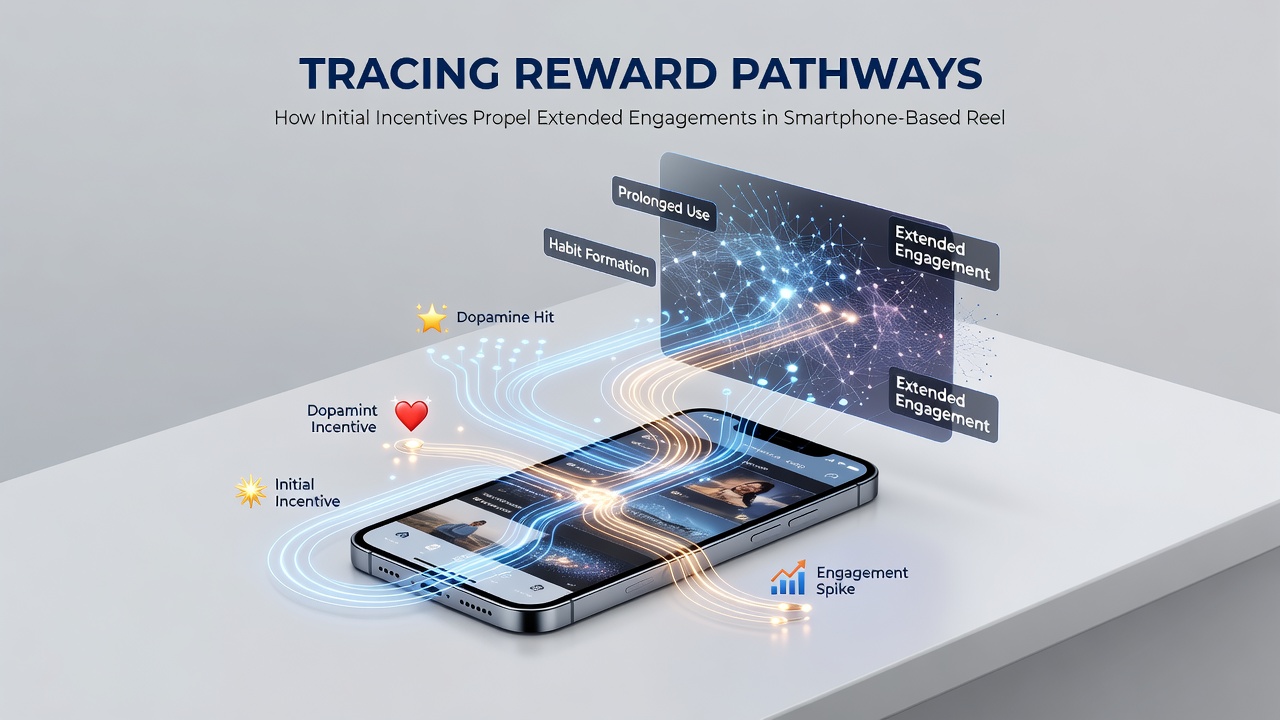
Turns out the pathway also incorporates social elements in many titles, where early incentives include shared milestones that appear in friend feeds or leaderboards. These features convert solitary play into networked activity, and industry reports from Canadian provincial regulators document corresponding increases in daily active users when social notifications accompany the first reward. The effect compounds because each shared achievement surfaces new incentive opportunities for both the original player and their network contacts.
Platform Design Choices That Sustain the Pathway
Developers embed checkpoint systems that convert the initial incentive into a longer sequence by spacing subsequent rewards at intervals calibrated to average attention spans on mobile devices. Data from European trade associations shows that titles using five or more checkpoints within the first hour retain 28 percent more players at the 24-hour mark than those with fewer milestones. Interface elements such as persistent counters and animated progress tracks keep the pathway salient even when the player switches applications temporarily.
Yet session data also reveals natural drop-off points, typically occurring after the third or fourth reward cycle when novelty declines. Platforms that introduce fresh incentive variants at these junctures, such as time-limited events or personalized multipliers, extend the pathway further according to A/B testing summaries released by several studios. The adjustments rely on real-time analytics rather than static schedules, allowing the system to adapt to individual engagement curves.
Cross-Regional Comparisons of Incentive Impact
Comparative studies between markets highlight that regulatory differences influence incentive structures yet the core retention effect persists. Reports from the Nevada Gaming Control Board track similar retention lifts following opening offers in mobile channels, while parallel data from Singapore's regulatory body shows comparable session extensions when incentives include both free and matched components. These convergent findings suggest the reward pathway operates independently of specific jurisdictional rules, provided the initial incentive meets basic visibility and immediacy criteria.
Conclusion
Evidence compiled across academic, regulatory, and industry sources traces a consistent route from first incentive to prolonged engagement in smartphone reel games, with retention metrics rising reliably when early rewards connect to visible ongoing pathways. The mechanisms rely on established reinforcement principles augmented by mobile-specific design features such as persistent progress indicators and adaptive timing. Data through mid-2026 continues to validate these patterns while revealing incremental refinements in how platforms calibrate subsequent rewards to individual behavior.