The Architecture of Reward Layering in Mobile-First UK Slot Platforms
Written by Yara Neumann · Jul 21, 2026
The Architecture of Reward Layering in Mobile-First UK Slot Platforms
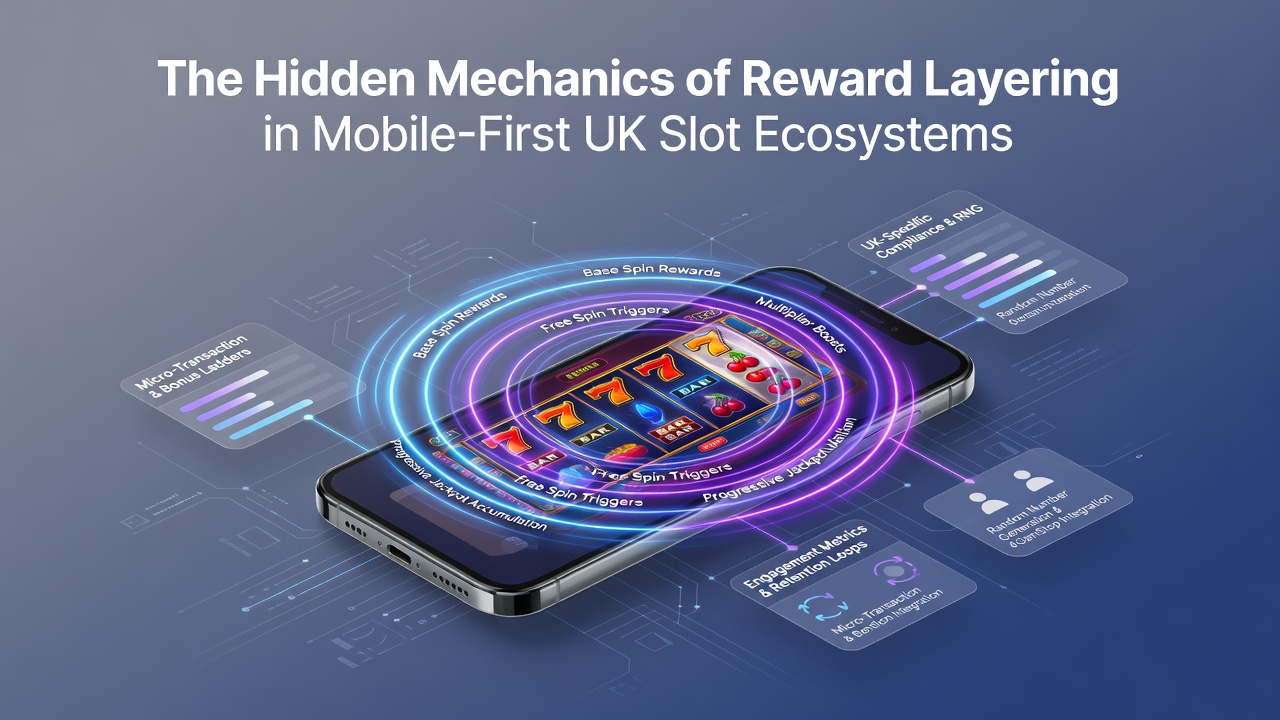
UK slot platforms built around mobile-first design incorporate reward layering as a core operational structure where multiple incentive types activate in sequence and combine under specific conditions. Data from industry reports show that these systems rely on trigger events such as initial spins, deposit thresholds, and time-based milestones to unlock successive layers without requiring separate user actions for each stage. Observers note that the process begins with entry-level offers that transition directly into sustained play incentives once players meet defined criteria within the application environment.
Core Components of Layered Reward Structures
Layering mechanics operate through distinct categories that interact rather than function in isolation. Initial access rewards establish the base layer while deposit-linked incentives form the second tier and loyalty accumulations create ongoing extensions. Studies indicate that mobile applications manage these transitions through backend algorithms that track session data in real time and adjust available rewards accordingly. Players encounter the first layer upon registration where free spin allocations activate immediately followed by prompts that guide progression toward matched deposit structures.
Trigger Mechanisms and Activation Sequences
Activation occurs through automated detection of player behavior patterns including consecutive spins, wager amounts reached within a set period, and completion of introductory game rounds. Research from academic sources demonstrates that these sequences reduce friction between layers by embedding the next offer directly into the current session interface. Mobile platforms leverage push notifications and in-app banners to signal when one layer completes and another becomes available which maintains continuity without requiring players to navigate external menus.
One documented pattern involves starting spins that unlock deposit multipliers once a minimum spin count is achieved while subsequent activity feeds into tiered loyalty points that convert into additional play credits. Figures reveal that such chaining extends average session duration across multiple UK operators as reported in aggregated platform analytics from mid-2026.
Mobile-Specific Implementation Details
Smartphone and tablet interfaces introduce unique elements to reward layering including touch-optimized claim buttons and real-time progress trackers that update during active play. Developers integrate these features through responsive design frameworks that adapt display elements based on device orientation and screen size. Data shows higher engagement rates when layers appear as visual progress bars rather than text-only notifications which aligns with broader patterns observed in mobile gaming applications worldwide.
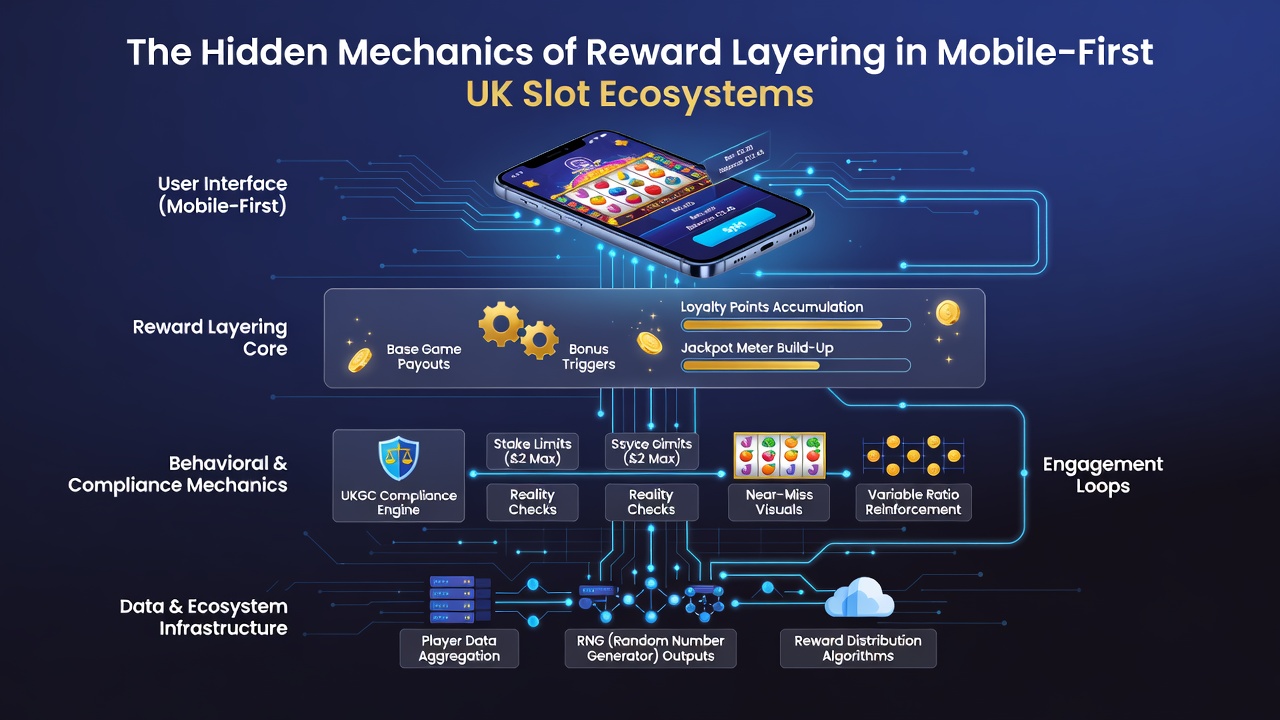
Applications often bundle time-sensitive elements such as hourly prize drops into the layering system where participation in one reward category automatically qualifies users for parallel offers. This integration occurs through shared tracking databases that link activity across game titles and bonus types. External analyses from organizations like the Gaming Laboratories International confirm that mobile systems process these connections with latency under two seconds which supports uninterrupted play cycles.
Data Patterns and Platform Variations
Platform operators adjust layering parameters seasonally with notable shifts documented around July 2026 when several major sites updated their reward algorithms to incorporate new wager tracking modules. These changes affected how initial layers connected to extended play incentives while preserving overall structure. Comparative reviews from research institutions including those affiliated with Australian gambling studies centers highlight similarities in mobile layering techniques across different regulatory environments yet note UK-specific adaptations around session pacing and reward visibility.
Variations appear between operators in the timing of layer transitions and the weighting given to loyalty accumulation versus immediate spin rewards. Some systems prioritize rapid layering that delivers multiple small incentives within a single hour while others extend layers across days through cumulative tracking. Evidence from usage statistics indicates that both approaches maintain player retention metrics though the distribution of reward types differs based on the underlying software architecture.
Interaction Between Mobile Features and Reward Flow
Touch gestures, background app refresh capabilities, and integration with device calendars influence how players interact with layered rewards in practice. Applications that sync reward availability with calendar reminders demonstrate elevated completion rates for multi-layer sequences according to aggregated usage data. This synchronization allows the system to present the next layer at optimal moments within the user's daily routine rather than solely during active gaming periods.
Observers have documented cases where mobile-exclusive layers activate only after players complete a set number of spins on portrait-mode optimized games which encourages consistent device usage patterns. Such restrictions remain embedded in the platform code and do not appear in desktop versions of the same sites which underscores the mobile-first priority in current UK slot ecosystem development.
Conclusion
Reward layering in mobile-first UK slot platforms functions as an interconnected system of triggers, transitions, and accumulations that extend player engagement through sequential incentives. Platform data from 2026 illustrates consistent application of these mechanics across operators with variations centered on timing, visibility, and device-specific optimizations. Continued evolution of these structures depends on backend tracking capabilities and interface adaptations that maintain flow between layers while complying with prevailing operational standards.