Starter Rewards Ignite Sequential Bonus Cycles Across Mobile Reel Systems
Written by Theo Griffin · Jun 7, 2026
Starter Rewards Ignite Sequential Bonus Cycles Across Mobile Reel Systems
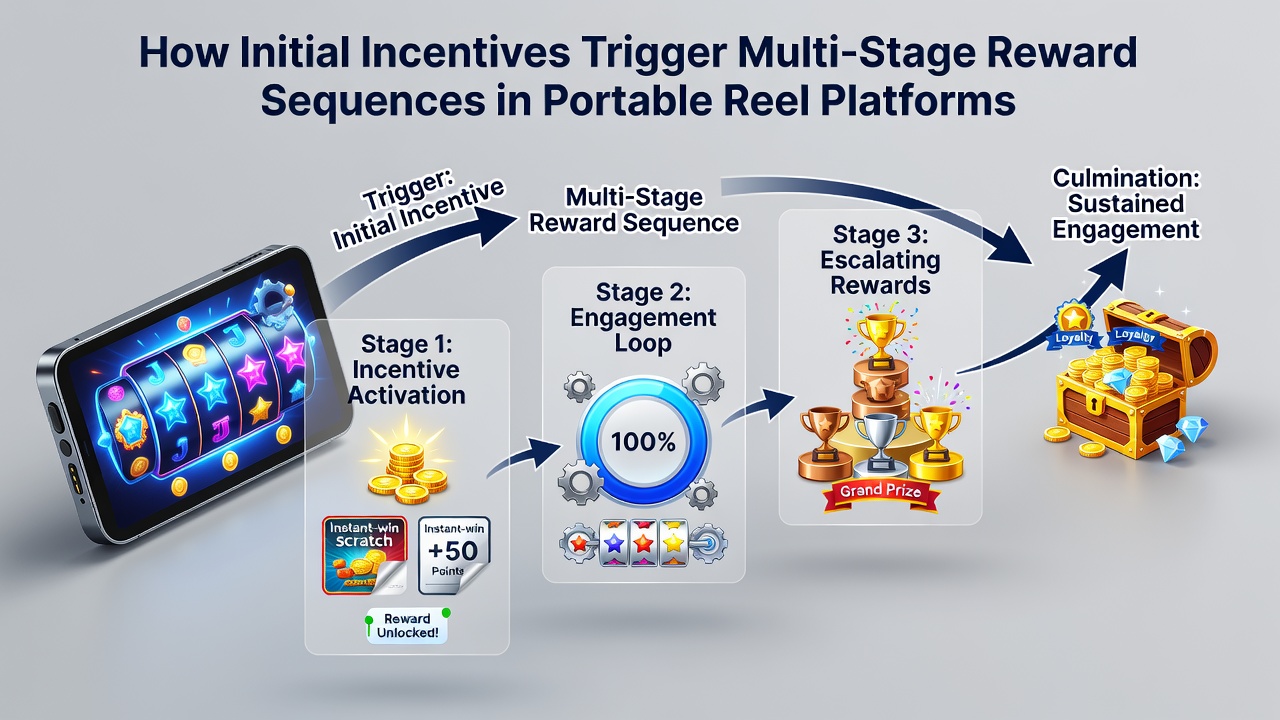
Portable reel platforms operate through layered incentive structures that begin with entry-level rewards and progress into extended sequences of play opportunities, and developers design these systems to maintain user engagement across multiple stages. Initial incentives such as free spins or credit grants serve as entry points, and data from platform analytics indicate these triggers often activate follow-on mechanisms including deposit-matched offers and loyalty accumulations. According to industry reports from the American Gaming Association, mobile gaming applications accounted for over 60 percent of total slot activity in several markets by early 2026, which highlights the growing reliance on these chained reward pathways.
Mechanics of Entry-Level Incentives in Mobile Environments
Designers embed initial incentives directly into app onboarding flows, where users receive starter credits or spins upon registration, and these elements connect to backend algorithms that monitor play patterns to unlock subsequent tiers. Research from university-led studies at institutions like the University of Nevada, Las Vegas shows that such triggers increase session duration by an average of 35 percent when they successfully transition users into welcome sequences. The process relies on real-time data tracking, and platforms adjust reward availability based on factors like device type and geographic location to optimize the handoff between stages.
What's interesting is how these systems avoid abrupt cutoffs, instead creating fluid progressions where completing the first incentive level automatically populates the next set of opportunities in the user interface. Observers note that portable platforms frequently incorporate timers or milestone counters, and these visual cues guide players through the sequence without requiring external navigation. In June 2026 several major operators introduced updated versions of their mobile apps that refined these transitions, resulting in smoother integrations between no-deposit elements and later-stage promotions.
Progression from Initial Triggers to Multi-Stage Sequences
Once an initial incentive activates, platform logic evaluates user behavior to determine eligibility for chained rewards, and this evaluation draws on metrics such as spin frequency and bet sizing. Studies conducted by research teams at the Queensland University of Technology have documented how these evaluations feed into algorithms that prioritize retention, with successful transitions often leading to combined offers that blend free play with loyalty point multipliers. The reality is that portable reel applications structure these sequences to span days or weeks, allowing users to accumulate benefits across separate login sessions rather than within a single sitting.
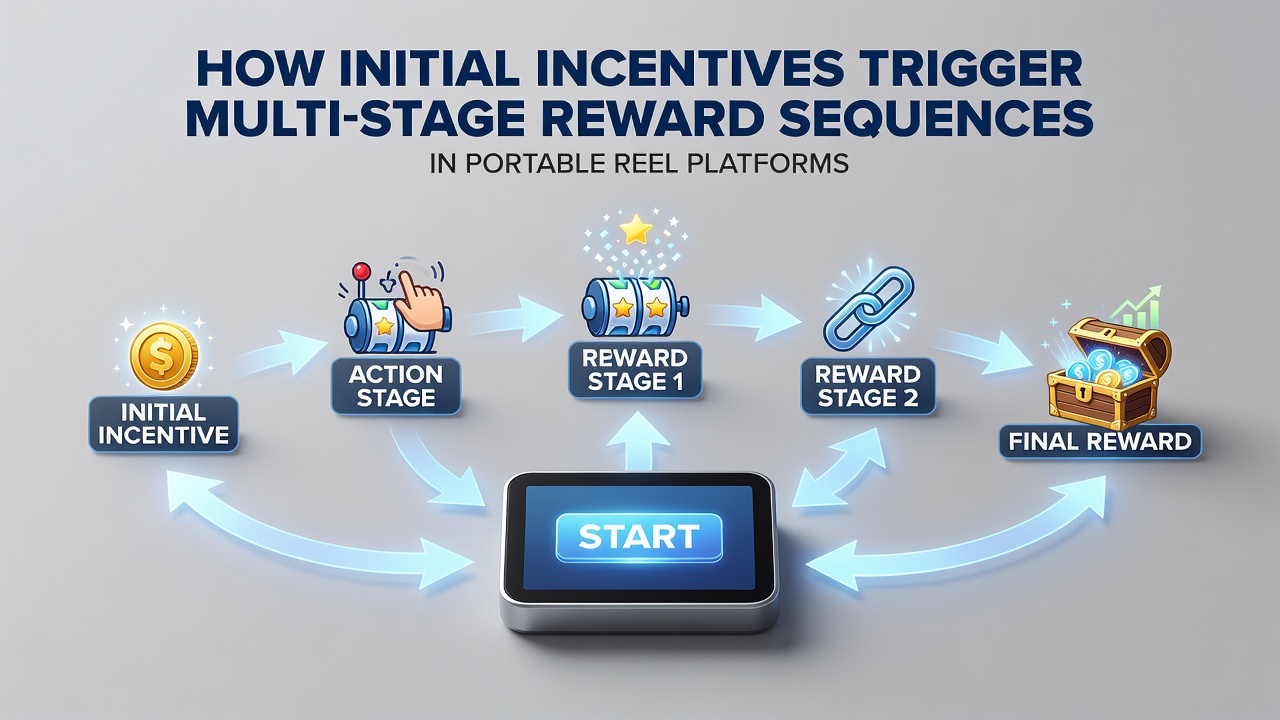
Take one case where platform data revealed that users who claimed an initial spin bundle moved into deposit-based stages at rates 22 percent higher than those who bypassed the starter offer, and analysts attribute this pattern to the psychological momentum created by early wins. External verification from Canadian regulatory summaries published through the Alcohol and Gaming Commission of Ontario confirms similar patterns in cross-border mobile deployments, where incentive chains demonstrate consistent uplift in continued play metrics. Those who've studied this know the sequences often incorporate branching paths, meaning different user cohorts encounter tailored follow-up rewards based on their prior activity.
Technical Implementation Across Device Ecosystems
Developers utilize cloud-based synchronization to ensure reward sequences remain consistent whether users access platforms via smartphones or tablets, and this consistency prevents fragmentation that could interrupt the multi-stage flow. Figures from the Interactive Games and Entertainment Association reveal that synchronization errors dropped by 18 percent in 2025 after widespread adoption of unified backend protocols, which directly supported longer reward chains. Portable applications further integrate push notifications at key transition points, and these alerts prompt users to re-engage precisely when the next stage becomes available.
But here's the thing: the underlying code must balance accessibility with compliance requirements that vary by jurisdiction, and this balance influences how aggressively sequences promote continued participation. Researchers discovered through controlled testing environments that subtle adjustments to notification timing can extend overall sequence completion rates without increasing user fatigue. In practice, many systems now employ machine learning models to predict optimal moments for introducing the subsequent reward layer, and these models draw from aggregated anonymized datasets collected across millions of sessions.
Conclusion
The architecture of initial incentives within portable reel platforms demonstrates a deliberate progression toward sustained multi-stage rewards, and evidence from multiple regulatory and academic sources supports the effectiveness of these designs in guiding user journeys. As platforms continue to evolve through 2026, the integration of data-driven triggers ensures that early incentives reliably feed into broader sequences, creating interconnected cycles that span both short-term sessions and extended engagement periods. Observers continue to track these developments across global markets, noting how technical refinements maintain the core flow from starter rewards into layered opportunities.