Spinning Forward: Fresh Trends Shaking Up UK's Slot Scene in 2024
Written by Yara Wagner · Mar 31, 2026

UK Gambling Commission Rolls Out Immediate Removal Rules for Faulty Land-Based Slots Starting July 2026
The Announcement That Changes the Game for Pubs, Arcades, and Casinos
The UK Gambling Commission recently unveiled new licence conditions targeting non-remote operators—those running land-based venues like pubs, arcades, and casinos—mandating they remove non-compliant gaming machines, including slots, right away if the Commission flags issues with manufacture, supply, installation, adaptation, maintenance, or repair; these machines must go if they fail technical standards or lack proper licensing, and the rules kick in from 29 July 2026, building directly on obligations already set by the Gambling Act 2005 while stemming from the Commission's third consultation on gaming machine reforms.
Operators now face a clear directive: upon notification from the Commission, faulty or illegal slots vanish from premises without delay, a shift designed to speed up consumer protection in physical gambling spots across the UK; what's interesting here is how this plugs gaps in the current system, where removal timelines could drag on, leaving potentially unsafe machines in play longer than necessary.
And while the effective date lands in mid-2026, venues have already started buzzing about preparations, especially as March 2026 approaches with operators reviewing compliance checklists and maintenance logs to stay ahead of the curve.
Breaking Down the New Licence Conditions
These conditions apply specifically to non-remote activities, meaning brick-and-mortar setups rather than online platforms, and they zero in on gaming machines—slots chief among them—that don't meet the stringent technical standards outlined in the Gambling Act; if the Commission identifies non-compliance during inspections or reports, operators receive notice and must act immediately, yanking the machines to prevent ongoing risks to players who spin in local pubs or hit arcades on weekends.
But here's the thing: this isn't a total overhaul but an enhancement of existing duties, where operators already bear responsibility for ensuring machines comply, yet now the emphasis lands on speed, with no grace periods for removal once alerted; data from prior consultations shows that delays in addressing faulty equipment have exposed players to unfair games or technical glitches, so the Commission stepped up with these reforms after gathering industry feedback.
Take the specifics: manufacture covers the initial build of the machine, supply involves getting it to the venue, installation sets it up for play, adaptation tweaks it post-setup, and maintenance or repair keeps it running—all must align with licensed standards, or out it goes, pronto; experts who've tracked gambling regulations note this creates a tighter loop, forcing operators to prioritize audits and partnerships with compliant suppliers.
Roots in the Third Consultation on Reforms
The push traces back to the Commission's ongoing gaming machine reform efforts, with this announcement capping the third consultation phase where stakeholders—from venue owners to manufacturers—weighed in on tightening controls; responses highlighted the need for faster remediation, leading to these licence conditions that make immediate removal the new norm rather than an option.
Earlier consultations, like the January 2025 Gaming Machine Consultation – Part 1 Response, laid groundwork by addressing broader technical and operational standards, but the third round honed in on enforcement speed for land-based sites; figures from those discussions reveal thousands of machines in circulation, underscoring why swift action matters to maintain fairness across the UK's estimated 30,000-plus gaming machine venues.
So as 2026 nears—think March timelines when many operators refresh equipment ahead of summer peaks—these rules gain urgency, with trade bodies advising members to map out compliance plans now, avoiding fines or licence reviews down the line.
What This Means for Land-Based Operators
Pub chains, independent arcades, and casino floors—operators in these spaces must integrate the new conditions into daily operations, training staff to recognize Commission notices and execute removals without hesitation; that's where the rubber meets the road, as downtime for faulty slots could hit revenues, yet compliance safeguards licences long-term.
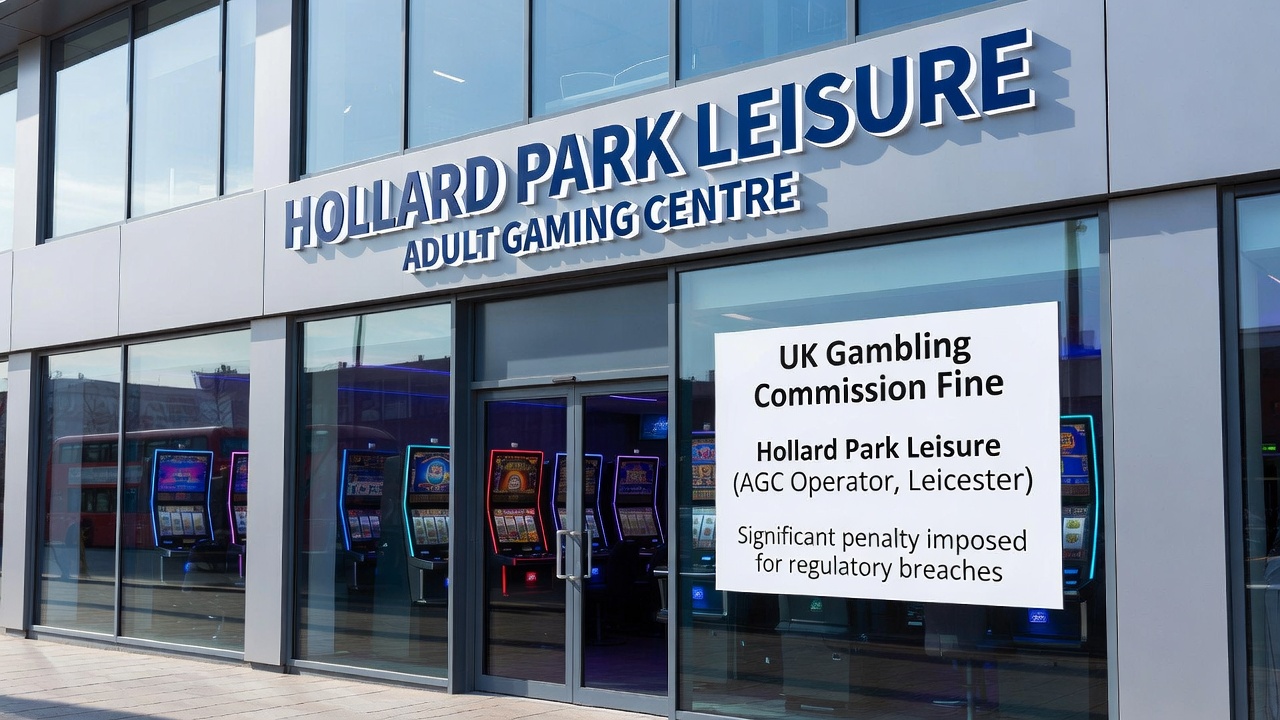
One case from recent Commission enforcement involved a venue overlooking maintenance lapses on multiple machines, resulting in penalties and mandated upgrades; observers point out such examples drove the consultation responses, pushing for rules that nip issues in the bud rather than letting them fester.
Manufacturers and service providers feel the ripple too, facing heightened scrutiny on their licences, which means more rigorous testing and documentation before supplying to UK sites; and while the rules target non-compliance directly, they indirectly boost player trust, as cleaner machine pools reduce glitch reports and ensure payouts align with advertised returns.
Consumer Protection at the Core
Players in UK pubs grabbing a pint and a quick spin, or arcade-goers chasing jackpots, stand to benefit most from machines that regulators verify as fair and safe; the Commission's move accelerates this by mandating instant removal, cutting the window for non-compliant slots to operate and potentially shortchange punters.
Studies from gambling watchdogs indicate that technical faults affect a small but significant percentage of machines annually, leading to disputes over wins or play integrity; with these rules, that drops sharply, as operators prioritize verified equipment to dodge swift takedowns.
Yet it's not just about faults—unlicensed activities in the supply chain get the boot too, ensuring every slot from install to repair traces back to approved sources; people who've followed these reforms often discover how interconnected the ecosystem is, from factories to frontlines, all under the Commission's watchful eye.
Implementation Timeline and Industry Prep
From announcement to activation spans over a year, giving operators breathing room until 29 July 2026, but savvy ones aren't waiting; March 2026 marks a key prep window, coinciding with licence renewals and equipment cycles for many venues, where audits ramp up to align with the new mandates.
Trade associations like the British Amusement Catering Trades Association have circulated guidance, urging members to review supplier contracts and maintenance schedules now, while the Commission plans awareness campaigns to smooth the rollout; this phased approach mirrors past reforms, where early adopters avoided teething problems.
Numbers paint the picture: the UK hosts around 200,000 gaming machines in non-remote settings, per Commission data, so even a fraction non-compliant could mean widespread activity; that's why the immediate removal clause packs such punch, streamlining enforcement without overhauling the entire sector overnight.
Broader Context in UK Gambling Landscape
These land-based rules fit into the Commission's wider push for accountability, complementing online reforms without overlapping, as non-remote focuses squarely on physical venues; operators straddling both worlds must segment compliance efforts, tracking machines separately from digital slots.
There's this notable pattern: consultations like the third one drew over 100 responses from industry players, shaping rules that balance business viability with player safeguards; experts who've parsed the feedback note a consensus on faster removals, reflecting lessons from enforcement actions over the past few years.
And as summer 2026 looms, with tourist hotspots like Blackpool arcades or London casinos gearing up, the writing's on the wall—non-compliant machines won't stick around, pushing a cleaner, quicker-regulated scene.
Wrapping Up the Reforms
The UK Gambling Commission's new licence conditions for immediate removal of non-compliant gaming machines from land-based premises, effective 29 July 2026, mark a decisive step in enforcing technical standards and licensing across pubs, arcades, and casinos; stemming from the third consultation, these rules amplify Gambling Act duties, ensuring faulty or illegal slots exit play swiftly to shield consumers.
Operators prepare amid the 2026 timeline—March serving as a pivotal checkpoint—while the industry adapts through audits and supplier vetting; ultimately, this fosters a fairer environment where machine integrity holds firm, from manufacture to maintenance, benefiting players who rely on reliable spins in Britain's vibrant land-based gambling hubs.