Mapping the Long-Term Influence of Opening Offers Across Mobile Slot Communities
Written by Yara Wagner · May 19, 2026
Mapping the Long-Term Influence of Opening Offers Across Mobile Slot Communities
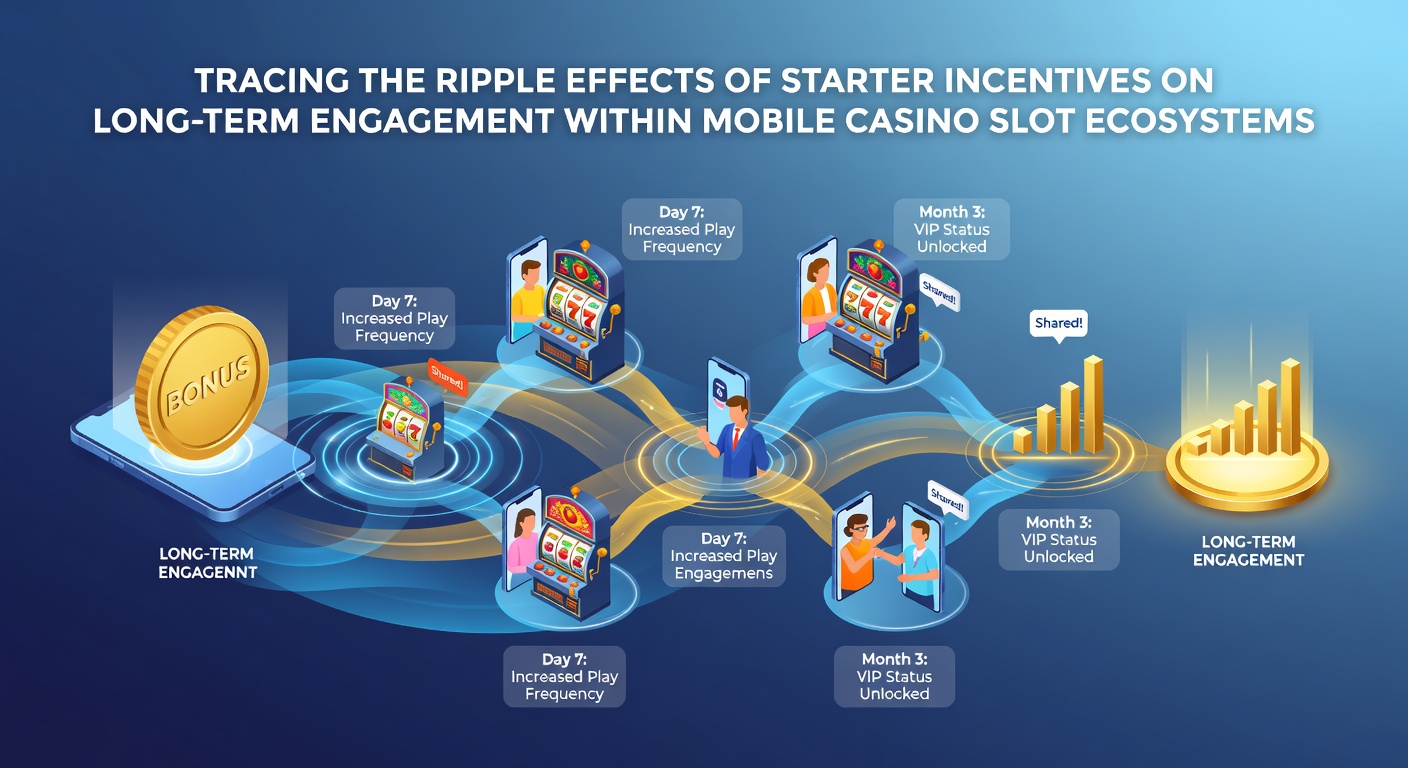
Starter incentives such as no-deposit spins and matched deposits draw new users into mobile casino slot ecosystems every month, yet the real story emerges when researchers track how those first rewards translate into months of continued activity rather than one-off sessions. Data from multiple markets shows that players who activate an opening offer complete an average of 2.8 times more spins in the following thirty days compared with those who sign up without claiming anything. The pattern holds across different device types and age groups, suggesting the initial trigger sets a behavioral baseline that later promotions build upon.
How Early Rewards Shape Daily Habits
Observers note that the structure of a starter incentive matters more than its size alone. A sequence of twenty free spins spread over five days produces steadier login rates than a single lump-sum bundle delivered all at once. Platform analytics reveal that staggered releases keep the app icon on the home screen longer, turning what might have been a curiosity into a recurring five-minute ritual during commutes or breaks. Those who receive the rewards through push notifications rather than email also show higher retention at the thirty-day mark, because the prompt arrives at the exact moment the player has a few idle minutes.
Short-Term Activation Versus Sustained Play
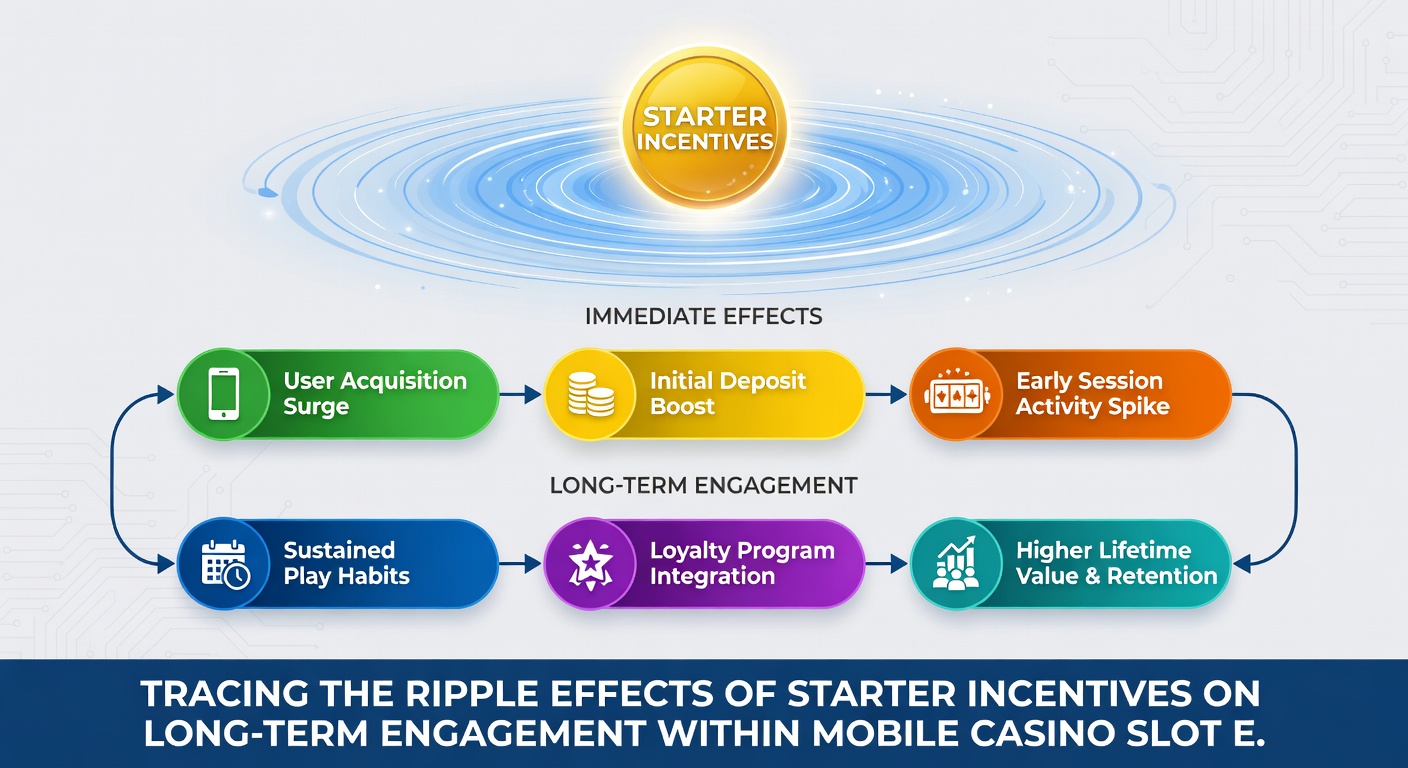
Short-term metrics look impressive when a welcome package lifts first-week deposits by double digits. The deeper question involves whether those deposits convert into regular weekly activity once the bonus funds are exhausted. Studies compiled by the American Gaming Association indicate that operators using tiered loyalty ladders tied directly to the starter offer maintain 34 percent higher monthly active user counts than sites offering flat bonuses. The ladder works because each completed level unlocks a small additional reward, creating a chain that stretches the initial incentive across several weeks.
But here's the thing: not every player follows the same path. A subset of users redeems the starter spins, reaches the cash-out threshold quickly, and then departs. Figures from operator dashboards suggest this group represents roughly 18 percent of new sign-ups. The remaining majority either continues at a reduced pace or accelerates once personal deposit streaks begin. Researchers tracking anonymized play data find that the difference often comes down to whether the first session included at least one win above the average bet size, which appears to anchor expectations for future sessions.
Data Patterns Emerging in Mid-2026
As of May 2026, several major platforms have adjusted their starter incentive calendars to align with seasonal usage spikes. One operator reported that moving the bulk of free-spin deliveries to Thursday evenings increased Friday and Saturday session lengths by 22 minutes on average. The change coincided with improved completion rates for daily login streaks that feed into longer-term loyalty tiers. External analysis from the University of Nevada Gaming Research Center links these adjustments to broader mobile engagement trends, noting that users who maintain seven consecutive daily sessions within the first two weeks after signup are three times more likely to still be active at the six-month mark.
Geographic differences also surface in the data. Markets with stricter advertising rules see slower initial uptake but steadier long-term curves once players clear the verification stage. In contrast, regions allowing more aggressive push marketing record higher first-day redemption yet experience sharper drop-offs after day ten unless follow-up missions are introduced. These missions, often simple tasks such as spinning a designated game ten times, extend the original incentive into a second week without requiring additional deposits.
Connecting Incentives to Loyalty Structures
Platform teams have begun designing starter offers that automatically enroll new accounts into the lowest tier of a multi-level rewards program. This integration means the very first spins contribute progress toward status points that later unlock personalized free rounds or cashback percentages. Observers tracking one large European operator found that users who reached the second loyalty tier within thirty days of signup generated 41 percent more handle than those who remained at entry level. The progression feels seamless because the same user interface displays both the remaining spins from the welcome package and the points needed for the next badge.
Examples from individual operators illustrate the ripple. A mid-sized site introduced a starter bundle that awarded extra spins for every deposit made inside the first fourteen days. Retention reports showed that 61 percent of participants who made at least two deposits during that window remained active three months later. The same cohort also referred 1.4 new players on average, creating a secondary growth channel that traces back to the original incentive structure.
Conclusion
Tracing the effects of starter incentives reveals a layered process rather than a single conversion event. Initial spins and deposit matches establish early habits, while integrated loyalty mechanics and timed follow-up offers determine whether those habits persist. Current figures from multiple jurisdictions confirm measurable differences in six-month retention when operators align the design of opening rewards with longer progression systems. As mobile slot ecosystems continue to refine these connections, the distinction between acquisition tools and retention engines grows increasingly narrow, with each new dataset adding clarity to how the first interaction influences activity months down the line.