Mapping Spark Points: How Entry Incentives Ignite Prolonged Reward Chains on Handheld Reel Platforms
Written by Yara Neumann · Jun 23, 2026
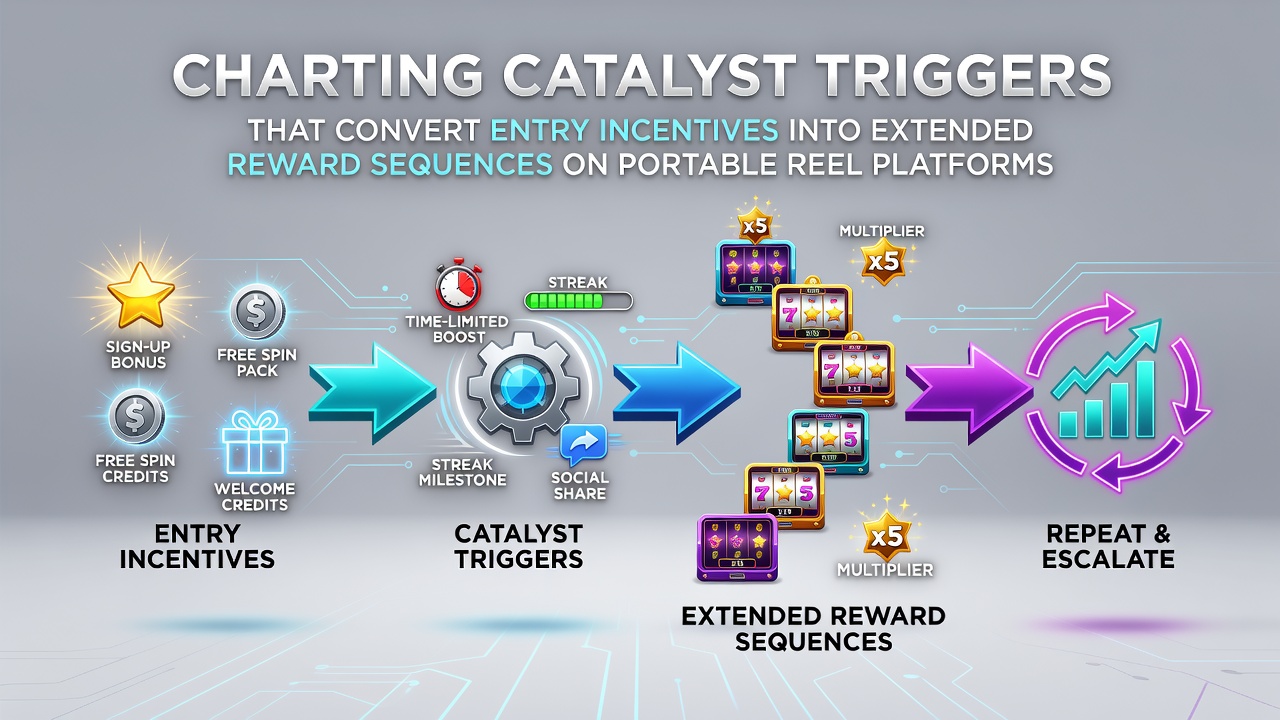
Mapping Spark Points: How Entry Incentives Ignite Prolonged Reward Chains on Handheld Reel Platforms
Portable reel platforms operate through layered incentive structures where initial entry offers function as starting mechanisms that unlock subsequent reward phases when specific conditions align during gameplay sessions.
Core Mechanics of Catalyst Triggers
Entry incentives such as no-deposit spins activate when players register on mobile applications and these offers contain embedded conditions that convert into extended sequences once players meet threshold requirements like matching symbol combinations or reaching designated spin counts; data from industry tracking services shows that platforms configure these triggers around reel patterns where certain wild or scatter symbols serve as the primary ignition points that transition users from starter rewards into welcome bonus phases without requiring additional deposits.
Researchers at academic institutions studying digital gaming interfaces have documented how these transitions occur through algorithmic pathways that monitor player actions in real time and adjust reward delivery based on accumulated activity metrics. One analysis from a North American university research group revealed that mobile slot systems register catalyst events when players hit predefined multipliers during initial free spin rounds and this registration automatically queues follow-on offers that extend total play duration by integrating the new rewards into the existing session balance.
Sequence Extension Patterns in Mobile Environments
Portable platforms differ from desktop versions because session continuity relies on device notifications and background processing that keep reward chains active even when users switch applications temporarily. Studies indicate that catalyst triggers often involve time-sensitive elements such as hourly prize drops or streak-based accumulations where consecutive spins without interruption activate additional no-deposit allocations that merge with existing welcome structures. Figures from gaming analytics providers demonstrate that these patterns increase average session lengths when players encounter the first trigger point within the opening ten spins of an entry incentive period.
Observers note that game developers embed multiple catalyst layers within single titles so that an initial scatter symbol collection during free spins can simultaneously qualify players for loyalty tier advancements and this dual activation creates branching reward sequences rather than linear progressions. Australian regulatory reports on interactive gambling have tracked similar mechanisms across regional operators where entry incentives feed into extended play modules through progressive jackpot eligibility tied to the original bonus terms.
Platform-Specific Implementation Examples
Take one major mobile gaming operator that structures its entry incentives around three-tier catalyst systems where the first tier unlocks after five spins, the second activates upon collecting a set number of bonus symbols, and the third extends the sequence through a multiplier boost applied to remaining free spins. This configuration allows the original no-deposit allocation to generate follow-on rewards that incorporate elements from welcome packages without separate activation steps.
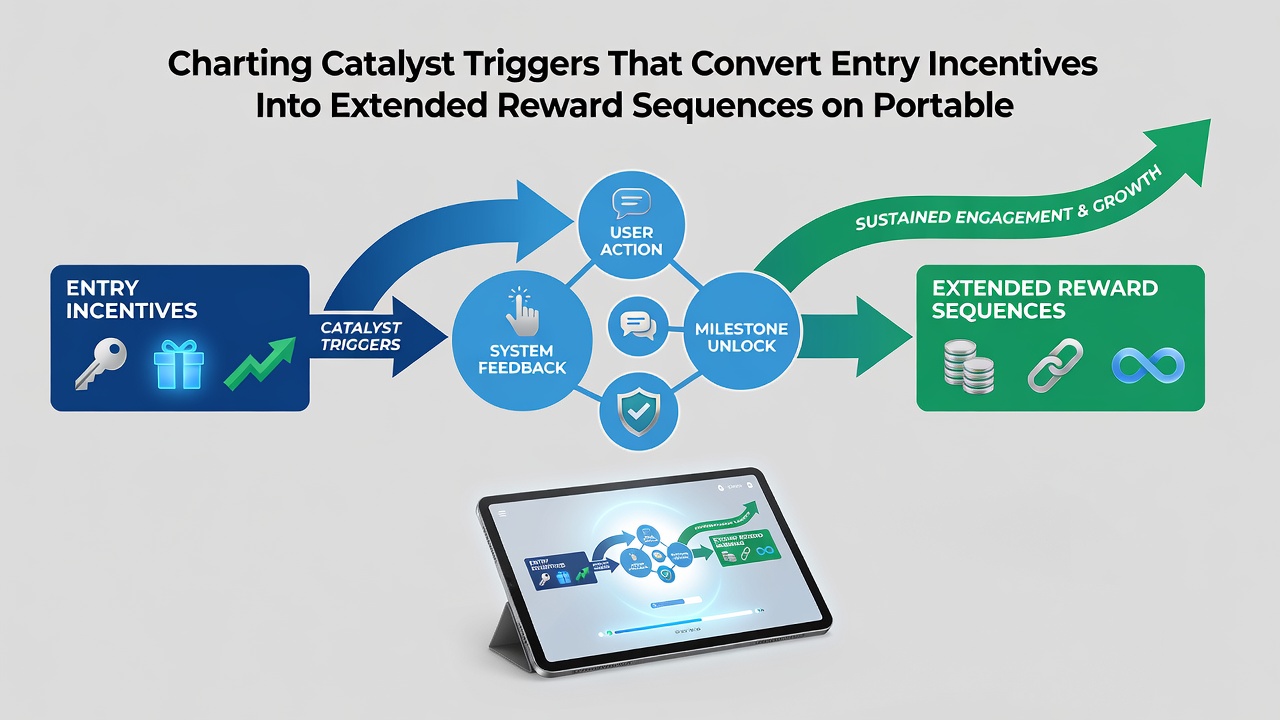
European gaming trade associations have compiled data showing that platforms using such layered triggers report higher retention rates during June 2026 testing periods compared to single-phase bonus models. The associations' aggregated statistics highlight that catalyst events registered through in-game tracking lead to reward sequences spanning multiple days when players return to complete pending chain elements initiated by the entry offer.
Data Patterns and Industry Tracking
Analytics from Canadian gaming research bodies indicate that portable reel applications record catalyst triggers at higher frequencies during evening hours and these events correlate with extended reward sequences when the initial incentive includes both free spins and cashback components. The combined structure creates multiple ignition opportunities because players can satisfy conditions for one reward type while progressing toward another within the same session.
Industry reports further detail how software providers embed visual and audio cues that signal impending catalyst activations and these signals encourage continued play that converts entry incentives into longer reward flows. Data collected across multiple jurisdictions shows consistent patterns where the presence of such cues increases the likelihood of sequence completion by measurable margins according to session log analyses.
Conclusion
Portable reel platforms continue to refine catalyst trigger systems that convert entry incentives into extended reward sequences through precise condition monitoring and layered activation rules. Regulatory bodies and research organizations from various regions document these mechanisms through ongoing data collection that tracks how initial offers transition into sustained play structures on mobile devices. The patterns observed across implementations provide measurable insights into how operators design incentive pathways that maintain session continuity without additional user intervention beyond standard gameplay actions.