Mapping Interlinked Reward Pathways That Emerge From Entry-Level Spins in Handheld Gaming Ecosystems
Written by Yara Neumann · Jun 9, 2026
Mapping Interlinked Reward Pathways That Emerge From Entry-Level Spins in Handheld Gaming Ecosystems
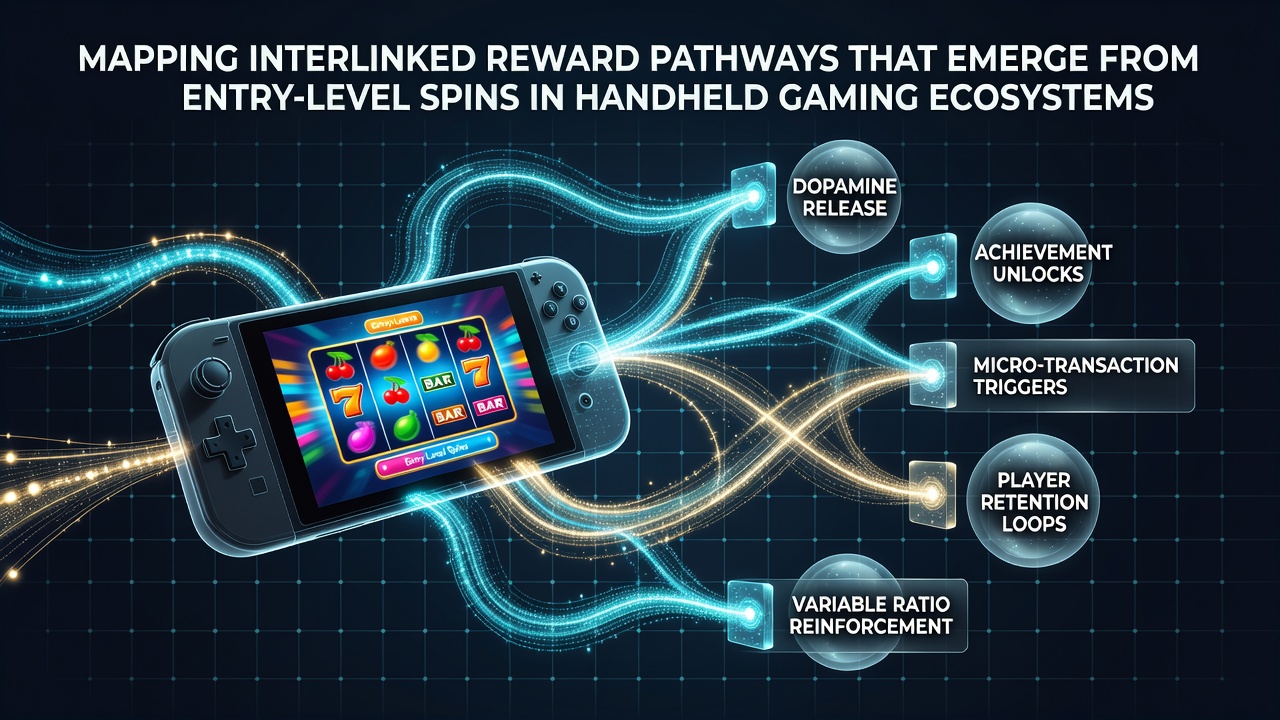
Entry-level spins in handheld gaming ecosystems initiate sequences of rewards that connect through multiple layers of player engagement systems, and these pathways often extend across daily login incentives, level progression mechanics, and cross-game integration features. Observers note that developers design these initial interactions to activate broader networks where basic participation unlocks secondary and tertiary benefits without requiring additional deposits at the outset.
Initial Triggers in Portable Gaming Environments
Handheld devices host gaming applications that use simple spin mechanics as gateways to more elaborate reward structures, while data from industry reports shows these entry points frequently lead to loyalty point accumulations that players can redeem across different titles within the same ecosystem. Researchers at institutions like the University of Nevada, Las Vegas have documented how such starting actions create measurable increases in session duration, and their findings indicate patterns where one completed spin sequence activates visual and auditory cues that prompt continued interaction.
Systems in these environments track every spin outcome through backend algorithms that map user behavior onto predefined reward trees, yet the pathways remain dynamic because they adjust based on individual play frequency and device usage patterns. Those who've studied mobile gaming data find that entry-level spins commonly feed into achievement badges which then branch toward social sharing options, and this branching effect multiplies the number of available progression routes available to each participant.
Expansion Through Layered Incentive Structures
Once activated, the initial reward pathways intersect with time-based events such as hourly prize distributions or streak multipliers that operate independently yet reinforce the original spin sequence, and analysts from the Canadian Gaming Association have tracked how these intersections produce cumulative benefits that extend play sessions across multiple days. The interconnections become visible when players complete a starter spin and receive notifications about linked challenges in companion applications, while seamless transitions between games preserve accumulated progress without manual intervention.
June 2026 marked the release of updated analytics frameworks from several regional gaming bodies that highlighted the prevalence of these interlinked systems in top-downloaded handheld titles, and the reports detail how entry spins serve as consistent catalysts for broader engagement metrics across diverse player demographics. Developers integrate these pathways through shared account systems that allow rewards earned in one environment to influence outcomes in another, creating a unified experience that spans separate game instances.
Technical Mapping of Reward Connections
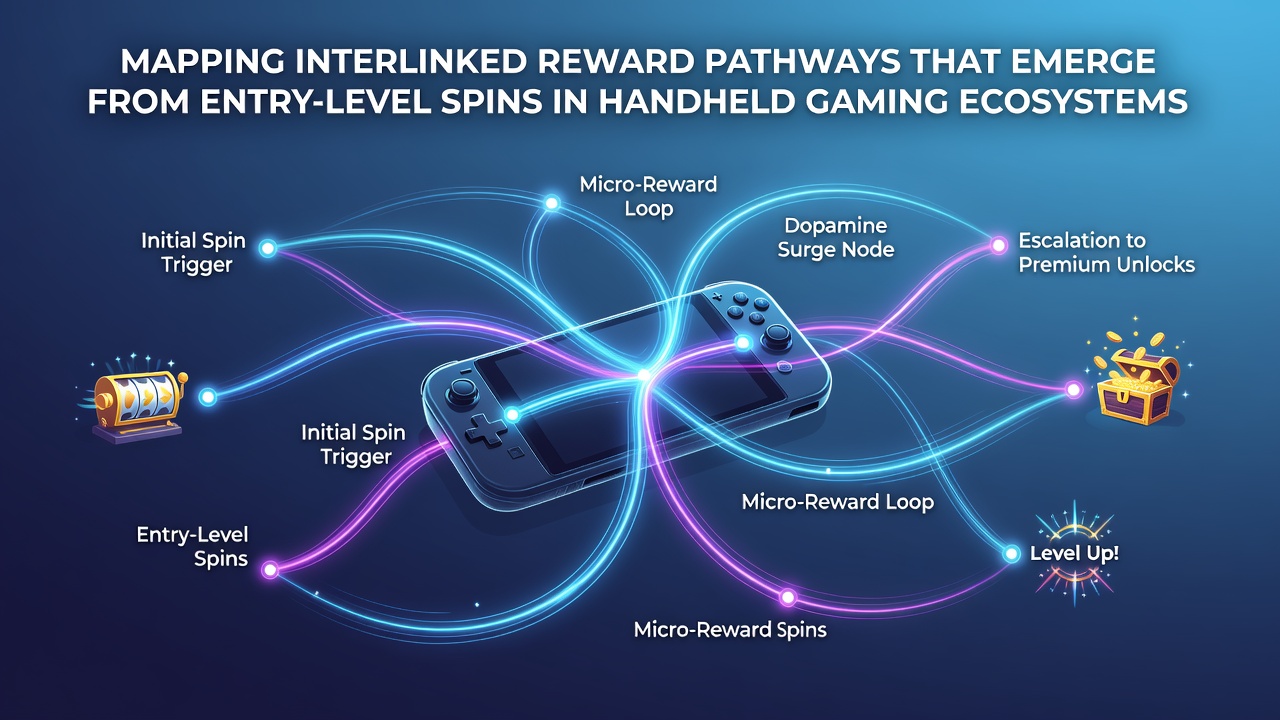
Backend architectures employ graph-based models to represent reward pathways, where nodes correspond to specific spin outcomes and edges illustrate transitions to subsequent incentives, and this structure allows real-time adjustments when players reach milestones that unlock new branches. Studies conducted by academic teams reveal that such mappings help identify which entry-level actions generate the highest downstream activity, while machine learning components refine the pathways based on aggregated usage statistics collected from global user bases.
Cross-platform compatibility ensures that pathways initiated on one handheld device continue uninterrupted when users switch to another, and this continuity relies on cloud synchronization that preserves all interlinked rewards without data loss. Observers point out that these technical features reduce friction between different stages of engagement, allowing the original spin to maintain relevance even as players advance through higher complexity levels in the same ecosystem.
Regional Variations in Pathway Design
Gaming markets in Australia and parts of the European Union demonstrate distinct approaches to reward mapping compared with North American implementations, whereas Australian regulatory guidelines emphasize transparency in how entry spins connect to longer-term benefits. Industry organizations such as the Australian Interactive Games Association publish periodic reviews that document these regional differences, and their data shows variations in how quickly secondary rewards activate after the first spin completes.
Pathway complexity tends to increase in markets with higher mobile penetration rates, and developers adapt the interlinked structures to align with local player preferences while maintaining core mechanics that originate from the entry-level spin. What's interesting is how these adaptations preserve the fundamental mapping even as visual themes and reward values shift to suit different audiences.
Conclusion
Mapping interlinked reward pathways reveals consistent structures that begin with entry-level spins and extend through layered incentives, technical architectures, and regional adaptations in handheld gaming ecosystems. Data continues to show these connections drive sustained engagement across multiple titles adn devices, while ongoing refinements by developers maintain the relevance of initial actions within evolving systems. The patterns documented through various research and industry sources underscore the systematic nature of how basic spins integrate into larger reward networks without requiring external prompts beyond the starting interaction itself.