Layered Incentives Driving Session Dynamics in Regulated Mobile Reel Platforms
Written by Yara Neumann · Jun 19, 2026
Layered Incentives Driving Session Dynamics in Regulated Mobile Reel Platforms
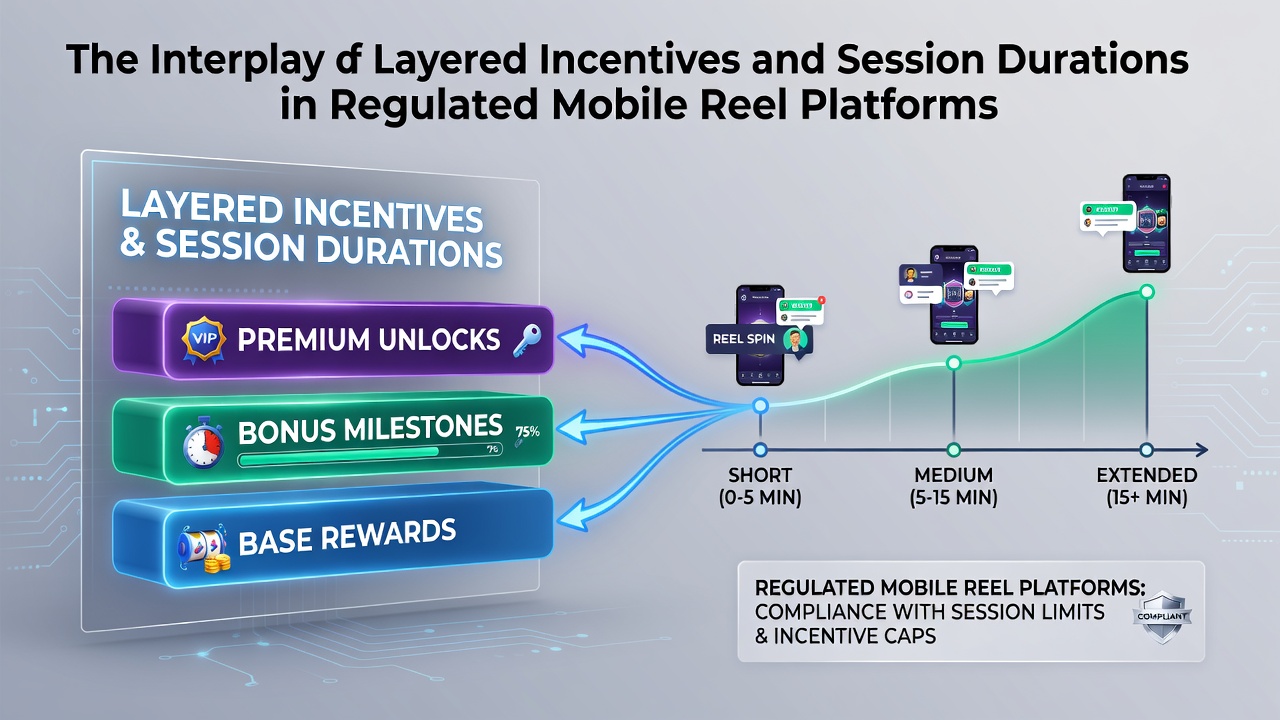
Regulated mobile reel platforms operate under frameworks that shape how operators structure rewards, and these designs directly influence how long sessions last. Layered incentives combine elements such as initial free credits, progressive loyalty tiers, and time-limited multipliers that players unlock sequentially, which extends engagement periods according to aggregated platform analytics.
Mechanics of Layered Incentive Structures
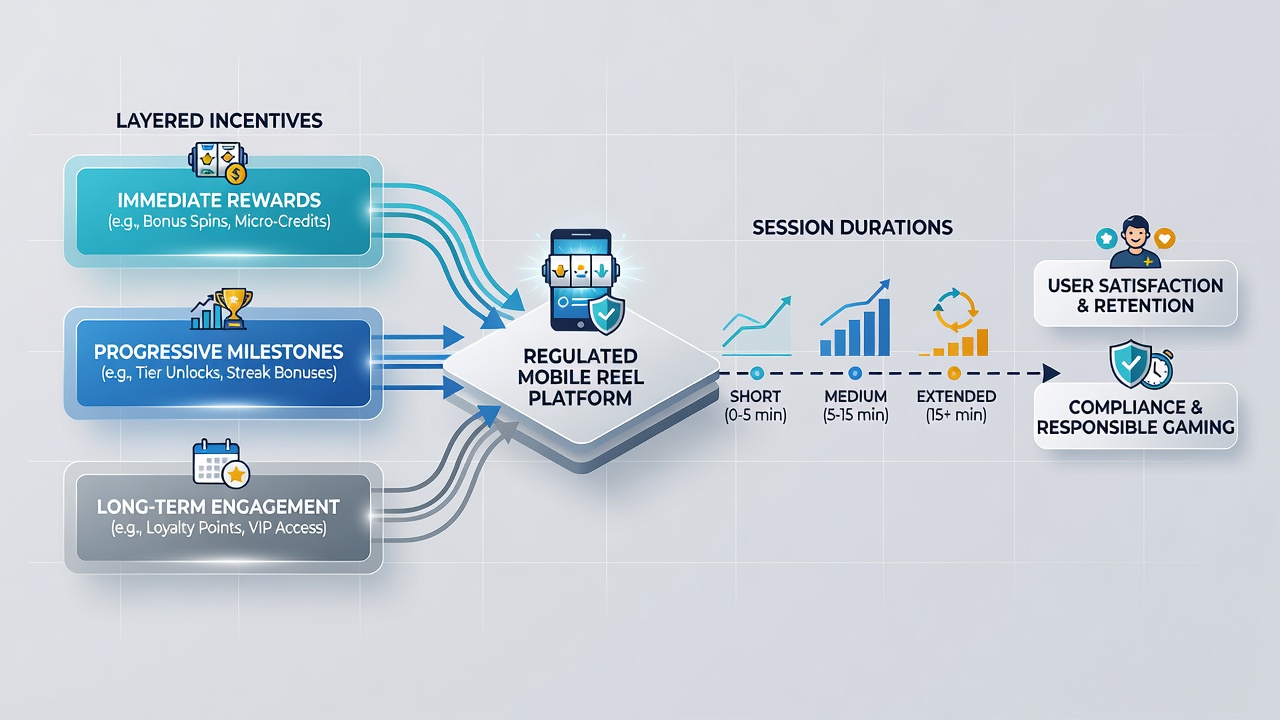
Operators build incentive layers that activate in stages, starting with entry-level rewards that require minimal deposits and progressing to retention bonuses tied to cumulative play volume. Data from industry tracking services shows these sequences encourage players to maintain activity across multiple intervals rather than ending sessions after initial spins, because each completed layer unlocks the next without requiring a fresh login or deposit cycle.
Session duration metrics collected across multiple jurisdictions reveal average play times increase when platforms integrate no-deposit entry offers with ongoing streak multipliers, since participants continue to meet threshold conditions that reset reward availability. Researchers at academic institutions studying behavioral patterns note that these mechanics create natural continuation points where players pause only after exhausting a full reward chain.
Observed Effects on Play Session Lengths
Platform operators report that sessions incorporating stacked rewards last longer on average than those limited to base game play, with figures indicating extensions of 20 to 35 minutes per active period when loyalty progressions remain visible on-screen. Mobile interfaces display remaining requirements for the next incentive layer, which keeps users oriented toward completion goals instead of abrupt exits.
Studies conducted through university research programs on digital gaming behavior confirm that players who engage with chained incentives exhibit fewer short sessions under five minutes, because the structure provides immediate feedback loops that sustain momentum. In June 2026, several North American regulatory bodies began requiring clearer disclosure of these progression mechanics, which has prompted operators to refine display timing so users understand exactly when a layer completes and what follows.
Regulatory Influences on Incentive Design
Regulators in regions such as certain Canadian provinces and Australian states mandate that operators maintain records of how rewards affect session metrics, which creates transparency around duration patterns. These requirements limit aggressive chaining that could obscure total play time, yet they still permit layered structures that operators calibrate to comply with fairness standards while preserving engagement flow.
One study published by a European gaming research consortium found that platforms adjusting layer visibility to align with regulatory caps on continuous play saw session lengths stabilize rather than spike, because users received periodic reminders of remaining time or reward availability. This approach balances operator goals with oversight expectations without eliminating the incentive layers themselves.
Platform Implementation Examples
Take one operator active in multiple regulated markets that introduced hourly prize drop mechanics tied to prior reward redemptions, which data showed lengthened sessions by prompting returns within the same mobile session window. Another example involves a platform that sequences welcome offers directly into loyalty point accelerators, where completion of the first deposit bonus automatically feeds progress toward the next tier without separate activation steps.
Observers tracking mobile reel ecosystems note that these implementations rely on backend timers that track cumulative activity across devices, allowing seamless continuation when users switch between sessions on the same account. Such continuity reduces drop-off rates because the incentive state persists regardless of brief interruptions.
Measurement and Data Patterns
Analytics providers supply operators with breakdowns that correlate specific incentive layers to session endpoints, revealing that players frequently extend activity to claim the final multiplier in a sequence. Reports compiled by trade associations indicate this pattern holds across different stake levels, although higher-tier loyalty members demonstrate the most pronounced extensions when additional prestige rewards become accessible mid-session.
Those analyzing these trends emphasize that session duration data serves compliance purposes as much as optimization ones, since regulators request evidence that reward structures do not disproportionately prolong play beyond intended limits. Platforms therefore calibrate layer spacing to respect these boundaries while still offering meaningful progression.
Conclusion
The interplay between layered incentives and session durations on regulated mobile reel platforms rests on measurable design choices that operators refine under regulatory oversight. Data consistently shows structured reward sequences extend average play intervals through sequential unlocking, while compliance frameworks in various jurisdictions guide how visibly and frequently these layers appear. As platforms continue to report session metrics to oversight bodies, the relationship between incentives and duration remains a central element of operational planning in this sector.