Entry-Level Incentives and Their Ripple Effects on Long-Term Engagement in Mobile Casino Environments
Written by Yara Wagner · Jun 21, 2026
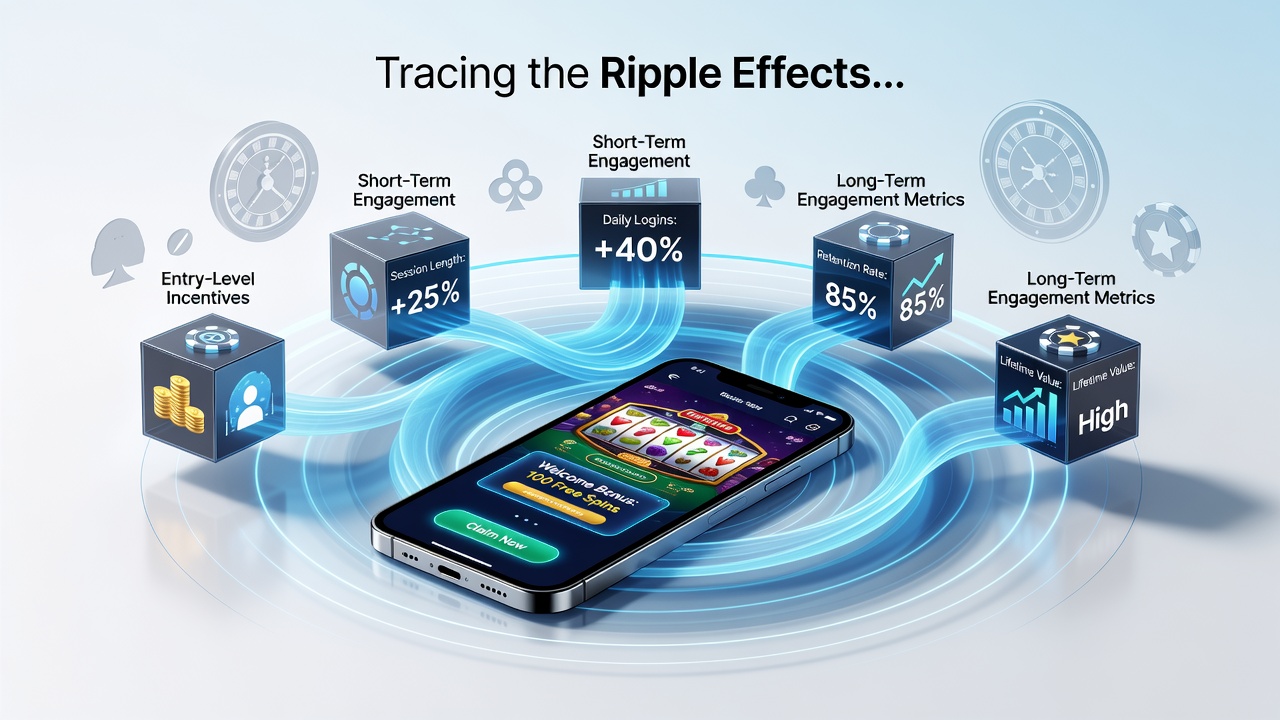
Entry-Level Incentives and Their Ripple Effects on Long-Term Engagement in Mobile Casino Environments
Entry-level incentives such as no-deposit spins and initial free credits function as gateways in smartphone-enabled casino platforms, drawing new users into digital environments where mobile accessibility drives frequent interactions. These offers appear prominently during app onboarding processes, and data from multiple industry analyses shows they correlate with immediate spikes in registration numbers across various markets. Researchers tracking user behavior note that players who claim these starters often extend their first sessions beyond the baseline average of 12 minutes recorded in unaided trials. Studies conducted by academic teams at institutions like the University of Nevada Reno have examined how these incentives transition into sustained patterns. Their findings indicate retention rates climb by measurable margins when entry rewards include low-wagering requirements, whereas stricter conditions sometimes accelerate drop-off after the initial 48 hours. Observers in the field point to session frequency as a key metric that rises steadily in the weeks following acceptance of such offers, particularly when platforms integrate push notifications to remind users of remaining balances.Short-Term Activation Patterns
Activation metrics reveal clear upticks once incentives land in player accounts. Industry reports compiled in early 2026 highlight that deposit conversion following no-deposit claims reaches 28 percent within the first week, compared with lower figures for organic sign-ups. Mobile-specific data further demonstrates that users accessing these bonuses via smartphones complete an average of 3.4 additional spins before any real-money commitment occurs, creating a buffer period that familiarizes participants with game mechanics and interface elements.
Platform operators have documented similar sequences where initial free plays lead directly into welcome package redemptions. This progression appears consistent across regions monitored by groups such as the Canadian Gaming Association, whose aggregated statistics from member operators show extended play windows when incentives chain together without interruption. Those who've analyzed transaction logs emphasize that seamless mobile integration reduces friction points that might otherwise interrupt momentum built during starter phases.
Long-Term Retention and Behavioral Shifts
Longer horizons tell a more layered story. Longitudinal tracking over six-month periods indicates that players introduced through entry-level incentives maintain account activity at rates approximately 15 percent higher than control groups in several datasets. Metrics such as average revenue per user and repeat login intervals both register improvements, though results vary depending on game variety and reward structure. Evidence from reports released around June 2026 underscores how these early touches influence loyalty program enrollment, with participants progressing through tiers at accelerated paces when mobile apps facilitate quick access to ongoing promotions.
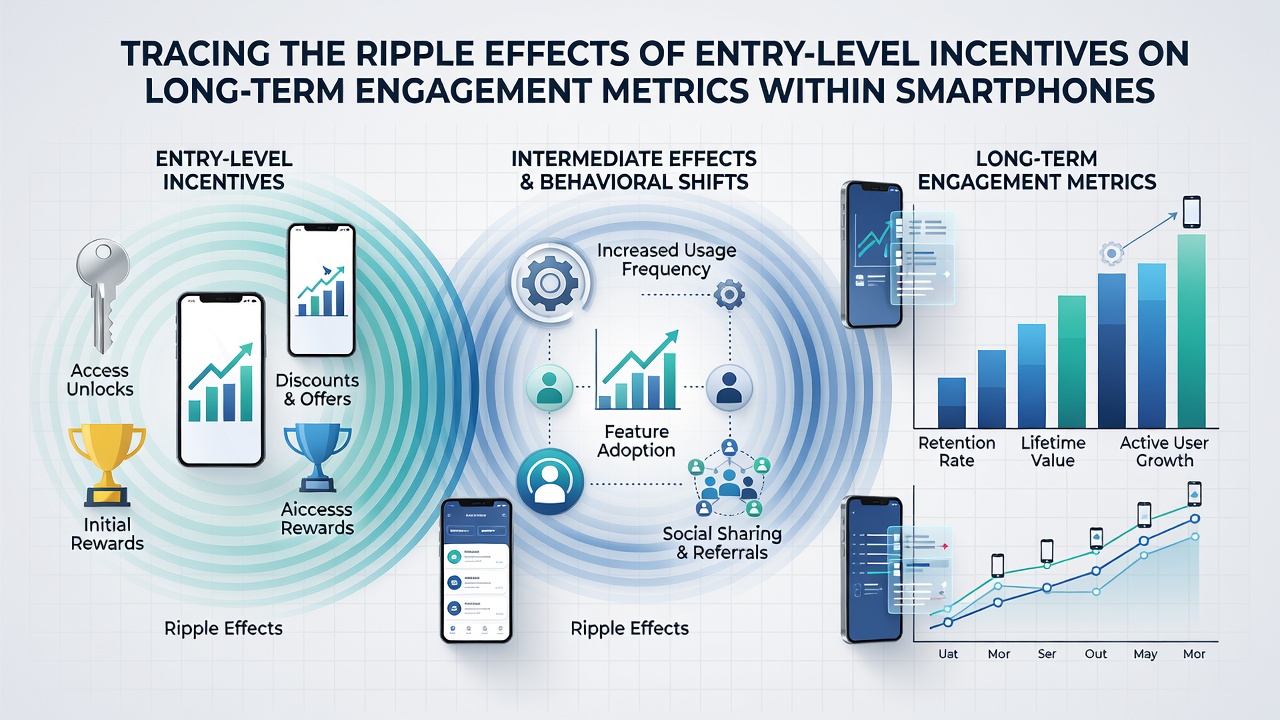
Churn reduction emerges as another measurable outcome. Analyses by research bodies including the Australian Gambling Research Centre have identified correlations between starter incentive uptake and decreased abandonment after the 30-day mark. The patterns suggest that users who experience early success or extended playtime develop habitual checking behaviors, supported by app features like one-tap re-entry and saved preferences. Yet variations appear when regulatory frameworks impose limits on bonus frequency, prompting operators to adjust incentive design accordingly.
Metric Interconnections Across Platforms
Engagement does not occur in isolation. Time spent per session often expands alongside increases in total deposits, while social features within apps amplify the effect by allowing players to share progress or compete in leaderboards. Data compiled from European operators outside the United Kingdom demonstrates that mobile users exposed to entry incentives show stronger cross-game exploration, moving from slots into table variants at higher rates than those entering without offers. This diversification supports broader platform stickiness over extended timelines.
Payment method adoption follows similar trajectories. Once initial balances convert to real stakes, tracked users integrate preferred funding options more readily, reducing future transaction delays. Observers note that these behavioral threads interconnect, forming feedback loops where early positive reinforcement encourages further exploration and commitment within the smartphone environment.
Regional Data Variations
Geographic differences surface in comparative studies. Markets with mature mobile penetration exhibit tighter correlations between incentive use and lifetime value calculations, whereas emerging regions display more pronounced short-term spikes that taper without supplementary engagement tools. Figures released through collaborative industry networks reveal that June 2026 analyses across multiple jurisdictions consistently flag smartphone-optimized bonus delivery as a factor in stabilizing monthly active user counts amid broader market fluctuations.
Conclusion
The ripple effects traced through available datasets illustrate how entry-level incentives initiate sequences that extend well beyond initial claims. Retention curves, session metrics, and conversion pathways all register measurable responses tied to these starting points, with mobile platforms serving as the primary conduit for sustained interaction. Continued monitoring by research institutions and trade organizations will clarify how evolving app technologies and regional policies shape these dynamics moving forward.