Deciphering Trigger Points for Multi-Stage Reward Activation in Virtual Reel Environments
Written by Theo Griffin · Aug 2, 2026
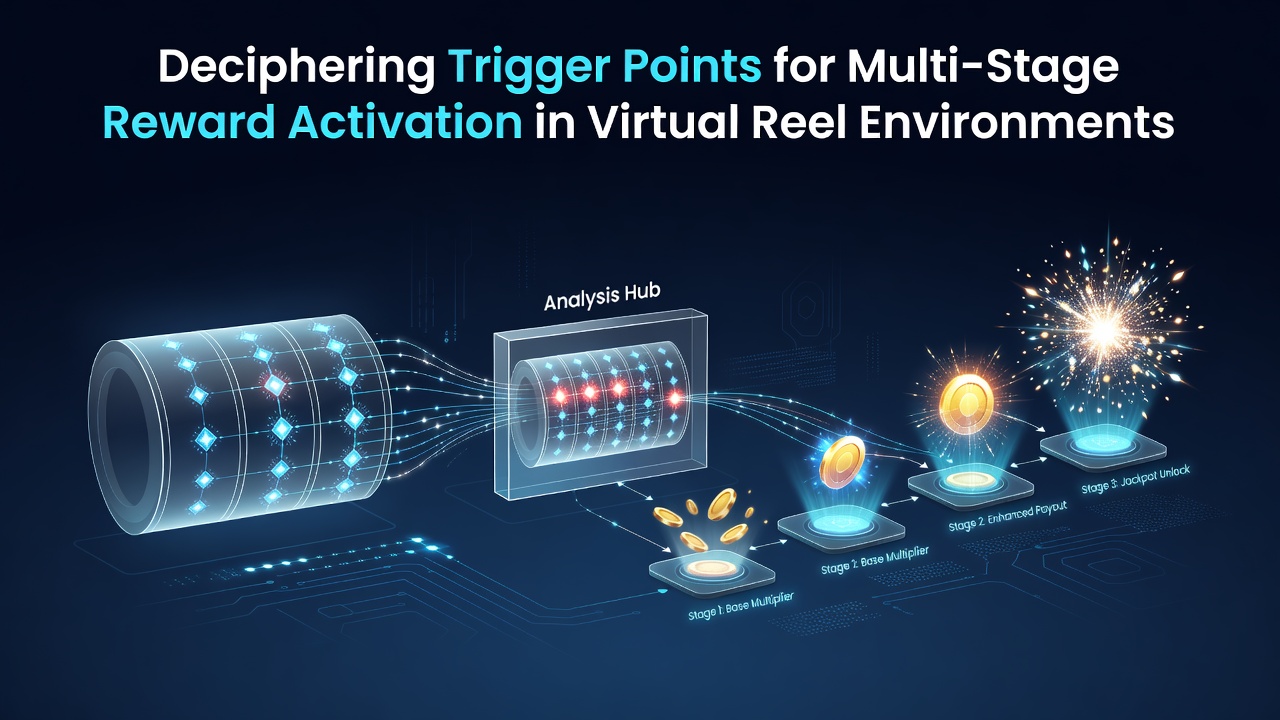
Deciphering Trigger Points for Multi-Stage Reward Activation in Virtual Reel Environments
Virtual reel environments operate through complex software layers that simulate physical reel behavior while embedding precise trigger mechanisms designed to activate rewards across multiple stages, and observers note that these systems rely on random number generators calibrated to specific probability thresholds which determine when a sequence begins.
Core Mechanics of Virtual Reels and Trigger Identification
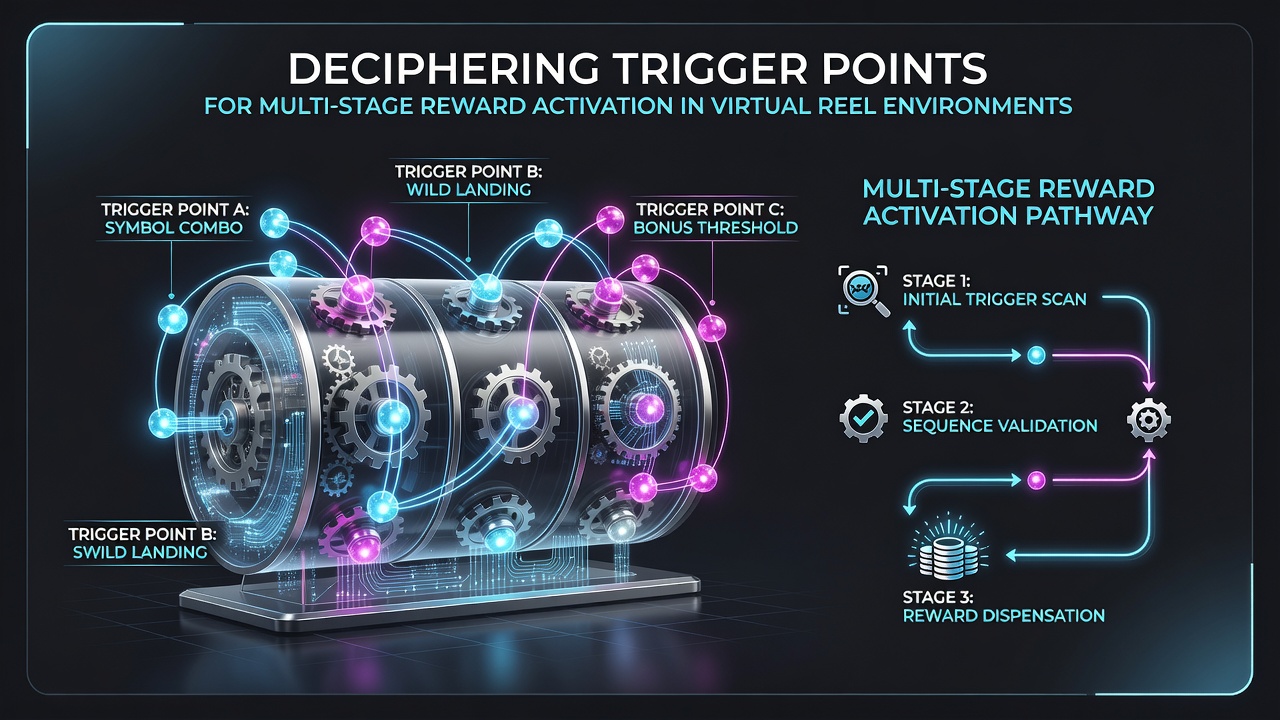
Developers program virtual reels as digital arrays that cycle through symbol positions far beyond the visible window, creating weighted outcomes where certain combinations serve as entry points for progressive reward chains, while data from industry reports shows that these trigger points often involve scatter symbols, adjacent reel alignments, or meter accumulations that build over successive spins. Researchers at institutions studying gaming mathematics have mapped how the initial activation typically occurs when a predefined symbol cluster lands in exact positions, after which the system shifts into secondary evaluation modes that assess accumulated values for the next tier.
Engineers implement these points through layered code structures that separate base game logic from feature execution, and one study from the University of Nevada's gaming research division revealed that timing intervals between triggers influence the perceived flow without altering underlying probabilities. Players encounter these activations in environments ranging from desktop platforms to mobile applications, where the same mathematical models govern reel stops yet adapt display rendering for different screen sizes.
Sequential Activation Patterns Across Stages
Multi-stage reward systems unfold when the first trigger meets its conditions and hands control to subsequent checks that evaluate expanded criteria such as additional symbol matches or counter thresholds, and figures from the Gaming Policy and Enforcement Branch in British Columbia indicate that such chains appear in approximately 18 percent of modern virtual reel titles released since 2024. The process continues through defined stages where each successful evaluation unlocks new parameters, including enhanced reel sets or modified payout tables, until a terminal condition resets the sequence back to the base state.
Programmers embed safeguards that prevent premature termination by using state machines to track progress across spins, whereas interruptions from network issues or session endings preserve partial data in server logs for resumption. Analysts examining code repositories from major studios have identified common patterns where the second stage requires a higher symbol density than the first, creating natural escalation that extends engagement periods without external intervention.
Technical Tools for Mapping Trigger Points
Specialized analysis software allows examination of reel strip configurations and probability tables to locate exact trigger coordinates, and reports issued by the Australian Communications and Media Authority in August 2026 highlighted standardized testing protocols that verify these points operate within regulatory tolerances across jurisdictions. Such tools parse the underlying arrays to flag positions where symbols interact with activation scripts, revealing hidden dependencies between stages that casual observation misses.
Testing laboratories run millions of simulated spins to validate that each stage transitions correctly under varying conditions, while industry associations like the European Gaming and Betting Association publish guidelines encouraging transparent documentation of these mechanisms for compliance audits. Data indicates that discrepancies in trigger sensitivity often stem from floating-point rounding differences across hardware platforms rather than intentional design choices.
Integration with Broader Game Architecture
Trigger points connect directly to audiovisual feedback loops and accounting modules that record every stage progression for reconciliation purposes, and those who have reviewed source materials from Canadian regulatory submissions note that synchronization between reel animation and reward delivery must occur within strict millisecond windows to maintain system integrity. External factors such as player input timing or concurrent game features can influence how smoothly stages activate, although core probability remains isolated from these variables.
Updates to virtual reel environments frequently adjust trigger thresholds through server-side patches that redistribute symbol weights without altering visible mechanics, and academic papers presented at gaming technology conferences demonstrate how machine learning models now assist developers in predicting optimal trigger placements during the design phase.
Conclusion
Understanding trigger points in virtual reel environments requires systematic dissection of both the mathematical foundations and the sequential logic that governs reward progression, and evidence from multiple regulatory and academic sources confirms that these systems continue to evolve through refined calibration techniques. Observers tracking developments through August 2026 report ongoing standardization efforts that enhance verification processes across international markets, ensuring consistent behavior regardless of platform or region.