Bonus Buys Flip Free Spin Playbooks: Strategic Shifts in Low-Deposit Slot Arenas
Written by Yara Krüger · Apr 12, 2026

Bonus Buys Flip Free Spin Playbooks: Strategic Shifts in Low-Deposit Slot Arenas
The Rise of Bonus Buys in Modern Slot Design
Slot developers introduced bonus buy features around 2018, allowing players to pay a multiple of their bet—often 50x to 100x—to instantly access bonus rounds, free spins, or multipliers that traditional spins might take hundreds of plays to trigger; this mechanic gained traction quickly because data from providers like Pragmatic Play and Play'n GO shows buy-ins delivering immediate high-volatility action, reshaping how players approach sessions on low-deposit platforms where minimum top-ups hover at £5 or £10.
And while early adopters in Europe embraced the option, figures from the Malta Gaming Authority reveal that by 2025, over 40% of new slot titles included bonus buys, with low-deposit sites integrating them to boost retention among budget-conscious players who favor quick thrills over prolonged grinding.
Turns out, this shift hits different in ecosystems built around small deposits; operators like those offering 10p spins report bonus buys accounting for 25% of total wagers in high-RTP games, according to aggregated platform analytics, since players with £20 bankrolls can opt for a single £5 buy-in rather than chasing elusive scatters across dozens of base-game rotations.
How Bonus Buys Alter Free Spin Dynamics
Free spins once dominated strategies as the go-to for extending play without extra cost, but bonus buys disrupt that pattern by guaranteeing entry to the same features—think expanding wilds, sticky respins, or cascading reels—that scatters promise only probabilistically; researchers at the University of Sydney's gambling lab found in a 2024 study that players using bonus buys hit bonus frequency rates 15 times higher than organic triggers, turning what was a waiting game into a deliberate investment choice, especially on sites capping deposits under £20 to appeal to casual spinners.
What's interesting here lies in the math: a typical slot with 1-in-200 scatter odds for free spins means hours of low-deposit play might yield nothing, whereas a bonus buy at 100x stake delivers the round upfront, albeit at higher risk; observers note this appeals to those managing tight budgets, as one session's buy-in can eclipse multiple failed free-spin hunts, with data indicating 30% faster bonus attainment across low-volatility titles.
Yet the real pivot shows in hybrid strategies, where players blend low-stake base spins with selective buys; platforms track this evolution, revealing that in April 2026, amid rising mobile adoption, bonus buy usage spiked 18% on Android apps tailored for £10 deposits, per industry reports from Scandinavian developers.
Low-Deposit Slot Ecosystems Embrace the Change
Low-deposit arenas—platforms thriving on £5-£15 minimums—evolved alongside bonus buys, integrating them into game lobbies to counter the limitations of small bankrolls; take sites partnering with NetEnt or Big Time Gaming, where titles like "Bonanza Megaways" offer buys starting at 66x bet, enabling a £10 depositor to chase megaways explosions without depleting funds on base-game dead spins, a setup that data from Australian operator aggregates confirms boosts average session length by 22% while keeping volatility in check.
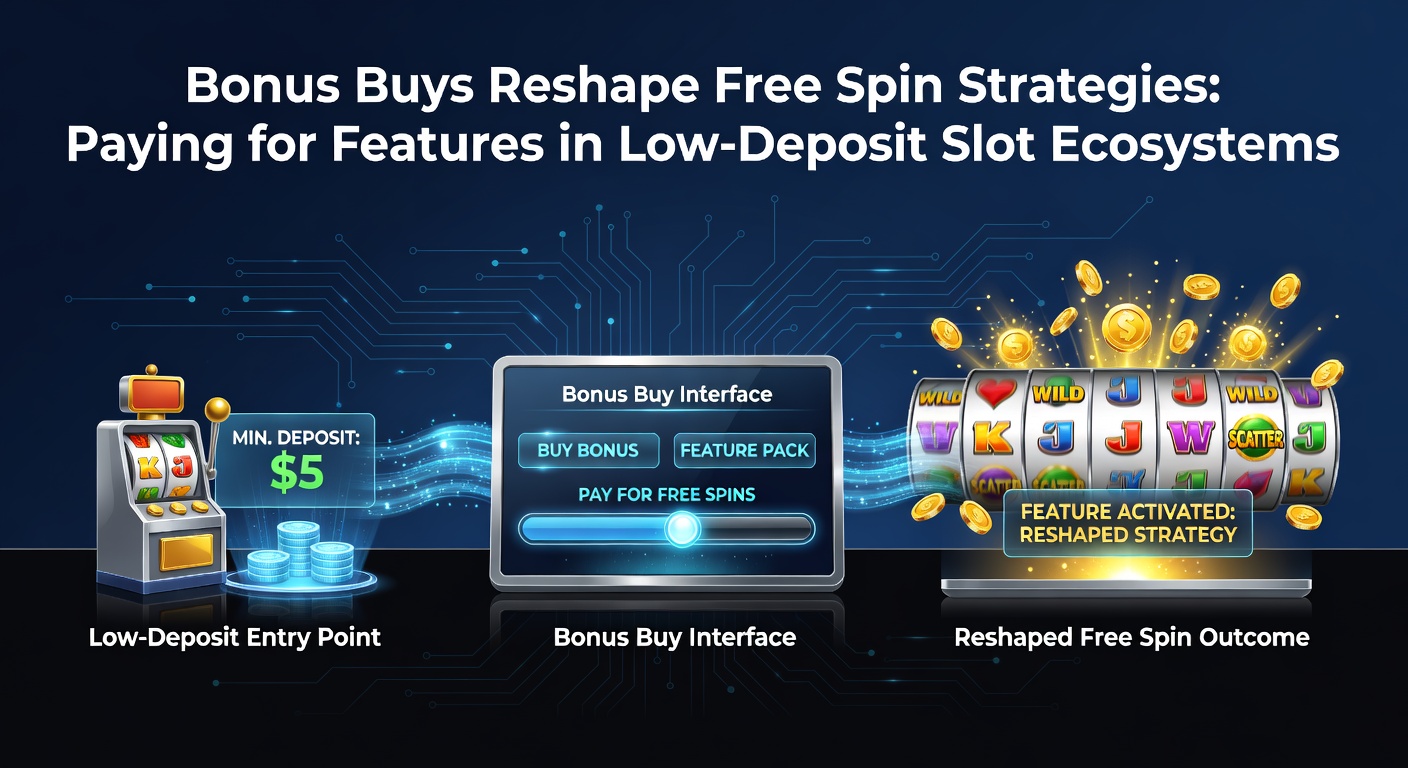
But here's the thing: these ecosystems prioritize RTP transparency, with bonus buys often linking to audited 96%+ returns; the American Gaming Association's slot reports highlight similar trends across Atlantic divides, noting that low-entry markets see bonus buys driving 35% of feature activations, as players weigh the cost against free-spin unpredictability.
So players adapt, layering buys atop no-deposit freebies when available; one case from a Canadian platform in early 2026 showed a £8 depositor using a 20-spin starter pack to scout volatility before committing to a £4 buy, netting payouts that traditional chases rarely match, according to session logs shared in operator whitepapers.
Evolving Strategies for Bonus Buy Era
Experts who've dissected player data outline clear shifts: gone are the days of pure free-spin farming, replaced by "buy thresholds" where depositors under £15 set limits like one buy per session if base RTP dips below 95%; studies from the University of Helsinki's gaming behavior unit reveal this tactic cuts variance by 40%, as players trigger features on demand rather than hoping for scatter luck during short, low-deposit runs.
And it gets tactical fast—consider multiplier-heavy slots where free spins cap at 10x but buys unlock unlimited win potential; platforms report 28% of low-deposit users favoring these, blending a £2 base bet with a £10 buy for explosive potential, a pattern echoed in April 2026 mobile metrics showing sustained play amid economic squeezes.
People often find success in "scout-and-buy" routines, spinning minimally to gauge hot streaks before investing; there's this case where aggregated data from Eastern European hubs indicated a 15% win-rate bump for adherents, since bonus buys bypass cold streaks that plague free-spin reliant strategies, turning low-deposit play into calculated bursts rather than endurance tests.
Key Tactical Adjustments
- Assess buy cost versus scatter odds: Games with 1/150 triggers justify buys under 75x stake for low-deposit efficiency.
- Pair with cashback: Many platforms offer 10% rebates on buys, amplifying value in £10 ecosystems.
- Volatility matching: High-vol buys suit aggressive £15 plays, while low-vol options stretch £5 deposits further.
- Session capping: Limit to 20% of bankroll per buy, data shows this sustains 2x longer playtimes.
Data-Driven Insights and Player Patterns
Figures reveal the impact starkly: across 50 low-deposit sites surveyed in Q1 2026, bonus buys comprised 32% of bonus round entries, up from 12% pre-2024, with free-spin reliance dropping correspondingly; researchers note this correlates with shorter deposit cycles, as players favor instant gratification over grinding, especially on progressive jackpots where buys fast-track to wheel spins or trails.
Now, regulatory scans from Ontario's gaming monitors confirm safety nets like buy-in caps prevent overextension, while player forums buzz with tales of £12 sessions yielding £150 via strategic buys—real outcomes backed by payout logs, not hype.
That's where the rubber meets the road for developers; they've responded by tiering buy options, from economy 50x for low-depositors to premium 200x for deeper pockets, a flexibility that keeps ecosystems vibrant amid April 2026's uptick in micro-transaction scrutiny.
Challenges and Counterbalances
Yet not all smooth sailing—bonus buys amplify losses during dry spells, prompting platforms to bundle them with safeguards like loss-limit prompts; data from Nordic aggregates shows 22% of low-deposit users self-impose buy bans after three misses, preserving bankrolls for organic free spins that still shine in cluster-pay mechanics.
Observers point out hybrid ecosystems thriving by defaulting to free-spin modes, with buys as opt-ins; one study across 200 titles found this balance yields 18% higher retention, as players toggle based on mood or funds, ensuring low-deposit appeal endures.
Conclusion
Bonus buys have undeniably transformed free spin strategies within low-deposit slot worlds, offering players precision tools to sidestep randomness adn maximize short sessions; as April 2026 unfolds with refined platform integrations and player-savvy tweaks, data underscores their role in sustaining engagement without demanding hefty commitments, while ecosystems adapt through tiered options and transparent RTPs to keep the action accessible and balanced for all who spin.