Balancing Acts: Stake Adjustments Intersecting with Promotional Designs in Slot Market Evolution
Written by Cameron Friedrich · Jul 12, 2026
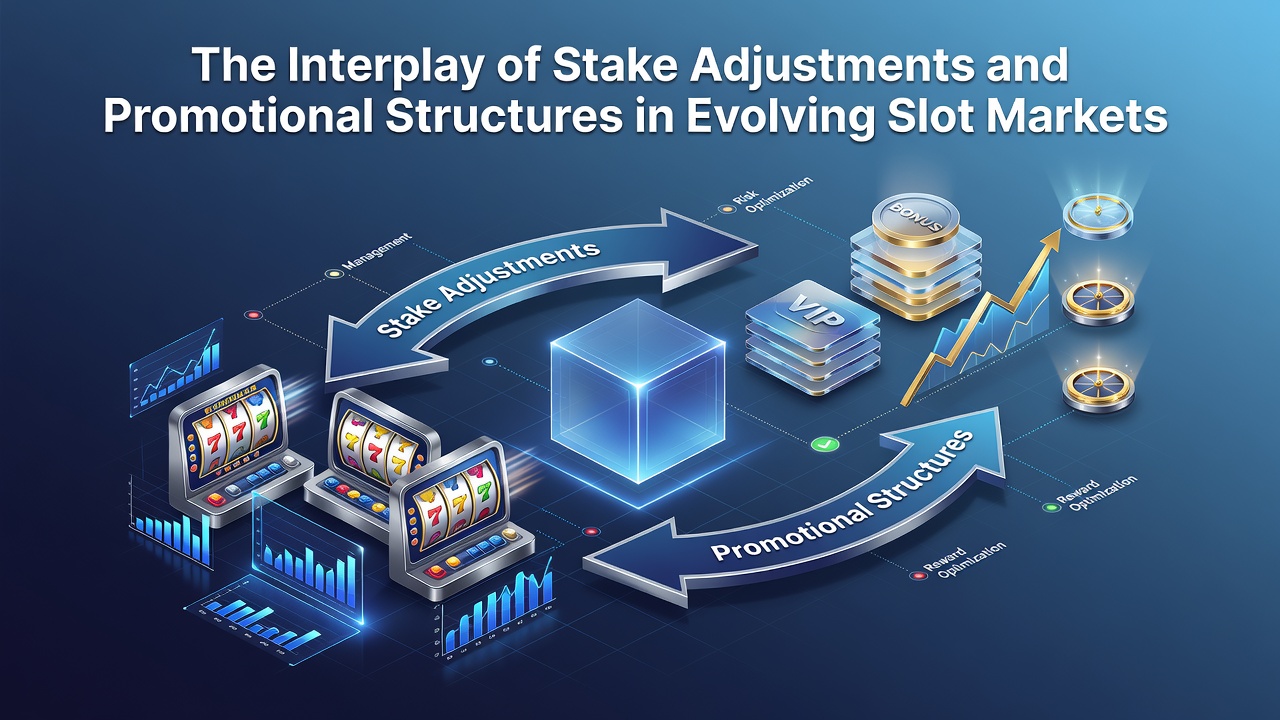
Balancing Acts: Stake Adjustments Intersecting with Promotional Designs in Slot Market Evolution
Slot markets continue to shift as operators recalibrate maximum bet sizes while simultaneously restructuring reward systems to sustain player engagement, and observers note these changes create layered effects across multiple jurisdictions. Data from various regulatory bodies shows that adjustments to stake caps often coincide with modifications to bonus mechanics, leading platforms to experiment with new configurations that balance risk management against retention goals.
Global Patterns in Stake Modifications
Regulatory frameworks in regions such as North America and parts of Europe have introduced tiered betting limits that differentiate between player categories, and these measures took clearer shape around July 2026 as markets responded to updated compliance requirements. Researchers tracking these developments found that lower maximum stakes per spin prompted operators to extend session lengths through alternative mechanics rather than relying solely on higher wager volumes. Studies from the American Gaming Association indicate that such adjustments correlate with increased focus on frequency-based rewards instead of magnitude-based ones.
Canadian provincial authorities, including those overseeing iGaming Ontario, implemented similar stake frameworks earlier, and industry reports reveal that platforms adjusted their promotional calendars to offset reduced per-spin revenue potential. Those who've analyzed transaction data across these markets observe that average play duration rose even as individual bet sizes declined, suggesting promotional structures absorbed some of the impact from stake changes.
Promotional Architectures Under Pressure
Bonus systems traditionally relied on deposit matches and free spin packages scaled to wager levels, yet evolving stake parameters forced redesigns that emphasize smaller, more frequent incentives. Figures from the European Gaming and Betting Association demonstrate that operators in multiple EU markets began layering time-limited prize drops and loyalty multipliers to maintain perceived value when stake ceilings lowered overall return potential per session.
Take one operator group that shifted from high-stake welcome packages to progressive unlock systems; their internal metrics showed sustained active user counts despite the regulatory pivot. Data indicates these adaptations often involve recalibrating wagering requirements to align with new bet maxima, preventing the promotional offers from becoming unreachable under tighter stake rules.
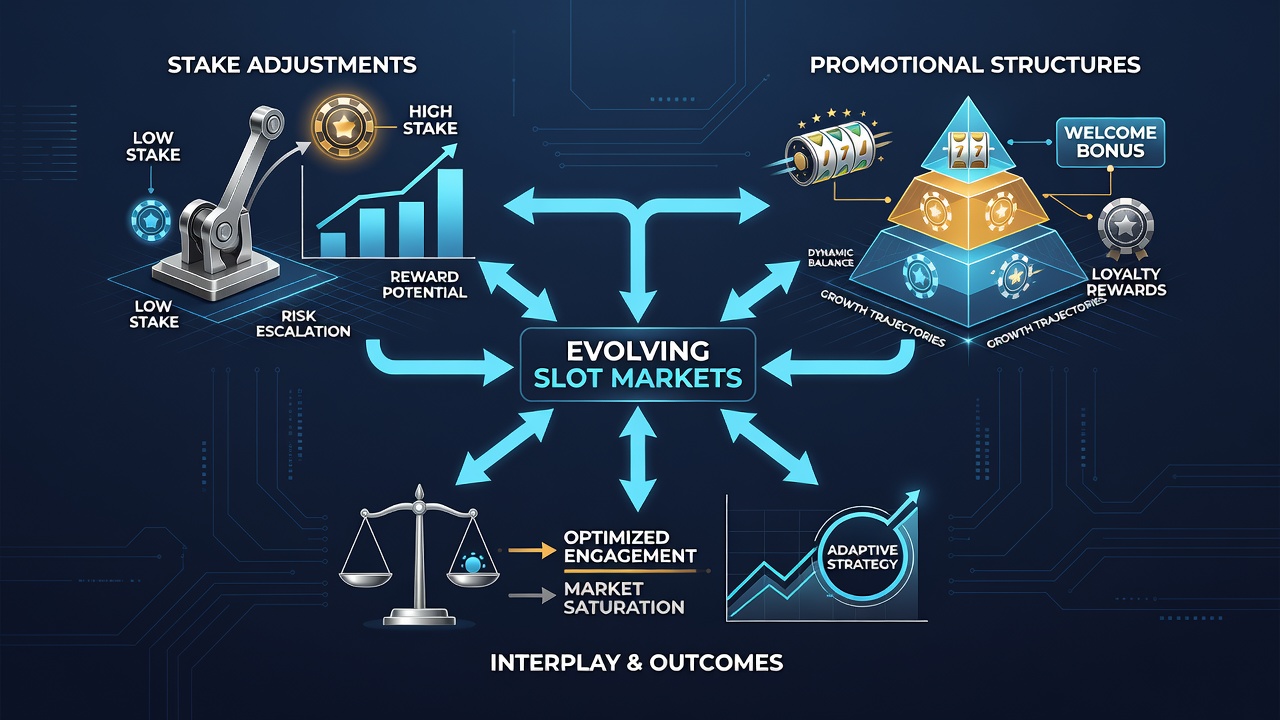
Interconnected Effects on Player Behavior
Stake reductions and promotional recalibrations interact directly because lower per-spin amounts extend the number of spins possible within a fixed bankroll, and this dynamic alters how players interact with bonus features. Research compiled by academic groups studying digital gaming economics highlights that retention rates improved in jurisdictions where operators synchronized stake caps with enhanced free-to-play mechanics and milestone rewards.
What's interesting here is how these elements reinforce each other: promotional structures that once scaled with high-stake play now incorporate multipliers tied to consecutive sessions or cumulative time played, compensating for reduced individual wager sizes. Observers tracking Australian market data note similar patterns emerging after regional updates, where operators introduced hybrid bonus models combining no-deposit entry rewards with stake-adjusted cashback tiers.
Regional Variations and Market Responses
Markets outside the primary regulatory clusters adopted hybrid approaches, and case examples from South American operators illustrate how promotional frameworks evolved independently of strict stake mandates. Platforms there integrated social tournament elements with adjustable entry thresholds, allowing players to engage across varying bet levels without disrupting reward progression.
Industry analysts point to increased use of algorithmic personalization, where systems detect stake patterns and surface tailored offers that maintain engagement velocity. These tools help bridge gaps created when regulatory stake adjustments reduce the natural variance that once drove bonus triggers in higher-limit environments.
Conclusion
Stake adjustments and promotional redesigns continue to reshape slot markets through mutual influence, with data from multiple international sources confirming that operators who align these elements achieve more stable engagement metrics. As frameworks mature beyond the July 2026 inflection points observed in several regions, the interplay between betting parameters and reward systems remains central to how platforms sustain viability across evolving compliance landscapes.